Monterrey
Estadio BBVA
A stunning modern stadium framed by the Sierra Madre mountains. 53,500 seats in Mexico's industrial powerhouse. Home to the fiercest football rivalry in all of Mexico — Rayados vs Tigres, the Clasico Regiomontano. Warning: 90-100°F extreme heat in June and July demands serious preparation.
Monterrey — Mountains, Heat, and Mexico's Fiercest Derby
Estadio BBVA in Monterrey hosts multiple 2026 FIFA World Cup matches in Mexico's third-largest city and the industrial capital of the country. Designed by the internationally renowned architecture firm Populous, the open-air stadium features one of the most visually spectacular settings in world football — the rugged peaks of the Sierra Madre Oriental rising directly behind the stands. With 53,500 seats and a sleek, modern steel-and-glass design, Estadio BBVA is consistently ranked among the most beautiful stadiums on the planet.
Monterrey is the economic engine of Mexico — the wealthiest city per capita in the country, headquarters of CEMEX, FEMSA, Alfa, and dozens of multinational corporations. But the city's soul belongs to football. The Clasico Regiomontano between CF Monterrey (Rayados) and Tigres UANL is the most intense crosstown derby in all of Mexico, splitting families, friendships, and office floors in half every time it is played. The food culture revolves around cabrito (roasted young goat), carne asada grilled over mesquite, and a booming craft beer scene led by Cerveceria Fauna and Sierra Madre Brewing Company. The surrounding landscape offers dramatic mountain scenery with day trips to Chipinque Ecological Park, Garcia Caves, and the waterfalls of Santiago.
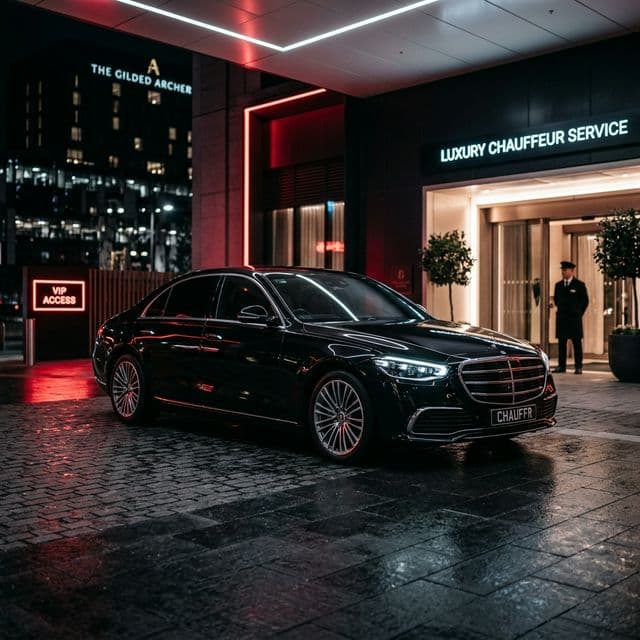
For fans combining Monterrey with matches in New York and New Jersey, direct flights connect MTY to Houston and Dallas, with onward connections to JFK and Newark. We provide professional car service for all FIFA World Cup 2026 matches at MetLife Stadium. Contact us for a quote.
Estadio BBVA — Home of Rayados
Located in the municipality of Guadalupe on the eastern edge of the Monterrey metropolitan area, Estadio BBVA opened in 2015 and is widely regarded as one of the most architecturally striking stadiums in the Western Hemisphere.
Design & Architecture
Designed by the world-renowned Populous architecture firm — the same team behind Tottenham Hotspur Stadium and SoFi Stadium — Estadio BBVA features a dramatic asymmetrical canopy roof that frames panoramic views of the Sierra Madre mountains. The open-air design allows mountain breezes while providing partial shade. The exterior combines steel, glass, and exposed concrete in a sleek contemporary aesthetic that has earned it international architecture awards. The canopy structure weighs over 2,500 tons and spans the entire seating bowl without obstructing sightlines.
Capacity & Seating
Official FIFA capacity of 53,500 for the 2026 World Cup. The bowl features steep lower and upper tiers that bring fans remarkably close to the pitch, creating intense acoustics and atmosphere. Premium seating includes 324 luxury suites, VIP boxes, and executive club areas on multiple levels. The west stand sits directly beneath the canopy for maximum shade — crucial in Monterrey's extreme summer heat. Sightlines are exceptional from every seat in the house due to the compact, modern bowl geometry.
CF Monterrey (Rayados)
Club de Futbol Monterrey, known as Rayados (the Striped Ones), was founded in 1945 and has won five Liga MX titles plus five CONCACAF Champions League trophies — making them the most successful Mexican club in international competition. The blue-and-white striped jersey is an icon of northern Mexican football. Rayados moved from the aging Estadio Tecnologico to Estadio BBVA in 2015, and the new stadium immediately became a fortress. World Cup matches at their home ground is a source of immense civic pride for the entire city.
The Mountain Backdrop
What makes Estadio BBVA truly unique among all 2026 World Cup venues is its setting. The Cerro de la Silla (Saddle Mountain), Monterrey's most iconic natural landmark, rises over 5,700 feet directly behind the east stand. The open-air design was specifically conceived to frame this mountain view. During evening matches, the sunset behind the peaks creates a dramatic visual spectacle that has been captured in countless photographs and broadcast worldwide. No other World Cup stadium in 2026 offers anything remotely comparable.
2026 FIFA Match Types
Monterrey will host group stage matches at Estadio BBVA and potentially a Round of 32 knockout fixture. The 53,500 capacity makes it one of the mid-sized venues in the tournament, creating high demand and guaranteed sellouts for every fixture. The passionate Monterrey fan base ensures an electric atmosphere regardless of which national teams are assigned. FIFA may allocate additional knockout matches based on the final schedule structure for the expanded 48-team format.
2026 Renovations
As one of the newest stadiums in the tournament (opened 2015), Estadio BBVA requires fewer upgrades than older venues. Improvements include enhanced media and broadcast facilities to FIFA standards, expanded security screening capacity at all entry gates, additional cooling stations and misting systems for spectators to combat the extreme summer heat, upgraded concession areas, and modernized accessibility features with additional wheelchair positions and companion seating throughout all levels of the stadium.
Expected Matches at Estadio BBVA
Monterrey is expected to host group stage fixtures and potentially an early knockout round match. Exact dates and matchups will be confirmed by FIFA closer to the tournament.
Group Stage Match 1
The first World Cup match at Estadio BBVA brings the tournament to Nuevo Leon. The passionate Monterrey fan base — hardened by decades of the Clasico Regiomontano — will create a wall of sound for the opening fixture at this venue. Expect a sellout crowd of 53,500 regardless of which nations are assigned, with the Sierra Madre mountains providing a dramatic natural backdrop that will captivate global television audiences.
Group Stage Match 2
A second group stage fixture continues the World Cup momentum in Monterrey. With Mexico playing the Opening Match at the Azteca in Mexico City, Monterrey may host matches featuring South American, European, African, or Asian teams. The FIFA Fan Fest in the Macroplaza or Barrio Antiguo area will be in full swing by this point, with fans from around the world discovering Monterrey's carne asada and craft beer culture.
Group Stage Match 3
The third group stage match completes the initial phase in Monterrey. By the third match day, the city will have established its rhythm as a World Cup host. Local restaurants, craft breweries, and plazas will be fully activated with international fans mixing with the famously proud and hospitable regiomontanos who live and breathe football in this city that is genuinely obsessed with the sport.
Potential Round of 32
Depending on the final schedule, Monterrey may host a Round of 32 knockout match. The expanded 48-team format means 32 teams advance from the group stage, creating more knockout fixtures distributed across venues. The intense atmosphere at Estadio BBVA — amplified by the mountain acoustics and the passion of northern Mexican football culture — would be absolutely electric for a do-or-die elimination match.
Potential Round of 16
While not confirmed, FIFA may assign a Round of 16 match to Monterrey based on demand and scheduling logistics. The city's modern infrastructure, world-class stadium, and strong hospitality capacity make it a viable candidate for higher-profile knockout fixtures. The Estadio BBVA experience — mountains, heat, and 53,500 passionate fans — is one of the most memorable in the entire tournament.
FIFA Fan Fest
A major FIFA Fan Fest is expected in central Monterrey, likely at the Macroplaza — one of the largest public plazas in the world — or along the Santa Lucia Riverwalk. Large screens, live entertainment, food vendors serving cabrito and carne asada, and official merchandise will create a tournament atmosphere for fans without match tickets. Free entry and open to all visitors throughout the tournament period.
Getting to Estadio BBVA — Full Comparison
The stadium is in the municipality of Guadalupe, east of the city center. Plan for significant traffic on match days along Avenida Pablo Livas and surrounding access roads.
| From | Method | Time | Cost | Notes |
|---|---|---|---|---|
| Centro / Macroplaza | Uber / DiDi | 20-35 min | $5-10 USD | Via Avenida Morones Prieto or Constitucion; heavy match day traffic expected |
| Barrio Antiguo | Uber / DiDi | 15-30 min | $4-9 USD | Nightlife district to stadium; relatively short commute |
| San Pedro Garza Garcia | Uber / DiDi | 25-40 min | $6-12 USD | Upscale suburb; crosses the city east toward Guadalupe municipality |
| MTY Airport | Uber / taxi | 25-35 min | $10-18 USD | Airport is northeast of city; stadium is east — manageable drive |
| Valle Oriente | Uber / DiDi | 20-35 min | $5-10 USD | Business district with hotels; reasonable distance to Estadio BBVA |
| Cumbres | Uber / taxi | 35-50 min | $8-15 USD | Northwest residential area; longer cross-city drive on match days |
| Centro | Metrorrey Line 2 | 30-40 min | $0.50 USD | Metro to Exposicion station then shuttle or walk; budget option |
| Obispado area | Taxi (sitio) | 20-35 min | $8-14 USD | Fixed-rate taxi stands; reliable but pricier than rideshare apps |
| MTY Airport | Authorized taxi | 25-35 min | $15-25 USD | Buy ticket at airport booth; safer and simpler than street hails |
| Chipinque area | Uber / taxi | 30-45 min | $8-14 USD | Mountain foothills suburb; scenic but longer route to the stadium |
| Santa Catarina | Uber / DiDi | 35-50 min | $10-16 USD | Western suburb near La Huasteca canyon; longer commute |
| Downtown | FIFA fan shuttle | 25-40 min | TBD | Expected from central locations; details pending FIFA announcement |
Flying into Monterrey
MTY General Mariano Escobedo International Airport is the primary gateway with strong domestic and growing US international connections.
30 min to Estadio BBVA (off-peak) · 45-60 min (match day)
Single terminal handles domestic and international flights. The airport is northeast of the city, on the same side as the stadium. Authorized taxis and Uber pick up from designated areas outside arrivals. The airport has been expanded with improved international facilities including a new terminal building. Allow extra time for customs during the World Cup.
1.5 hr flight MEX to MTY · then 30 min to stadium
Allow 2-3 hours for connections at MEX including security and terminal transfer between domestic and international terminals. Book the MTY connection in advance — flights fill quickly during the World Cup. Consider an overnight in Mexico City if your international arrival is late evening to avoid rushing.
3.5 hrs by car via Laredo border crossing
The drive crosses the US-Mexico border at Laredo/Nuevo Laredo. Border wait times can be 30-90 minutes depending on the day. Not practical for same-day stadium trips unless pre-planned. Better as a multi-day itinerary combining a Texas stay with Monterrey World Cup matches. Valid passport and Mexican tourist permit required.
Hotel Neighborhoods in Monterrey
Eight neighborhoods offering distinct experiences for World Cup visitors. Monterrey is a sprawling modern metropolis, making neighborhood selection critical for stadium access and nightlife.
Centro / Macroplaza
The historic heart of Monterrey anchored by the massive Macroplaza — one of the largest public plazas in the world at 100 acres. The Faro del Comercio laser beacon, the Metropolitan Cathedral, MARCO museum, and Palacio de Gobierno surround it. Hotels range from budget to mid-range. Walking distance to Barrio Antiguo. 20-35 min to the stadium by car. Hotels: $40-150/night.
Barrio Antiguo
Monterrey's nightlife and entertainment district, located just south of the Macroplaza. Colonial-era buildings converted into bars, restaurants, clubs, and mezcalerias. The most vibrant street scene in the city after dark, particularly on weekends. Walking distance to the Centro. 15-30 min to Estadio BBVA. Hotels and boutique stays: $50-180/night. The best base for nightlife-focused World Cup fans.
San Pedro Garza Garcia
The wealthiest municipality in all of Latin America. Upscale restaurants, luxury hotels including Westin and Grand Fiesta Americana, and shopping at Galeria Valle Oriente. Nestled at the base of the Sierra Madre foothills with mountain views from many properties. 25-40 min to the stadium. Hotels: $120-400/night. Ideal for fans prioritizing comfort and high-end dining.
Valle Oriente
A modern business and commercial district along Avenida Lazaro Cardenas with international hotel chains including Marriott, Hilton, and Holiday Inn. Close to San Pedro restaurants and shopping. Good highway access to the stadium. Corporate infrastructure means reliable WiFi and amenities. 20-35 min to Estadio BBVA. Hotels: $80-250/night.
Chipinque / Contry
Residential neighborhoods at the base of Chipinque Ecological Park in the Sierra Madre foothills. Cooler temperatures than downtown due to elevation. Quiet, leafy streets with Airbnb and boutique options. Excellent hiking access but farther from nightlife and the stadium. 30-45 min to Estadio BBVA. Stays: $60-200/night.
Cumbres / Linda Vista
Large residential neighborhoods in the northwest of the metro area. More affordable hotel and Airbnb options than San Pedro. Family-oriented with shopping plazas and chain restaurants nearby. Farther from the stadium and nightlife but budget-friendly for longer stays. 35-50 min to Estadio BBVA. Hotels: $35-120/night.
Centrito Valle
A trendy walkable strip of restaurants, cafes, and boutiques in the San Pedro area along Calzada del Valle. Growing nightlife scene with craft cocktail bars and modern Mexican restaurants. Walking distance to Valle Oriente hotels and San Pedro dining. 25-40 min to Estadio BBVA. Hotels nearby: $80-220/night.
Near Stadium (Guadalupe)
The municipality of Guadalupe surrounding Estadio BBVA has limited tourist accommodation but offers proximity. Some chain hotels and Airbnbs within 10-15 min of the stadium. Less neighborhood character but maximum convenience for match day logistics. Limited restaurant and nightlife options nearby. Hotels: $40-130/night.
Monterrey Weather in June & July — EXTREME HEAT
Monterrey is the hottest host city in the entire 2026 FIFA World Cup. Temperatures routinely reach 90-100°F with high humidity. Heat preparation is not optional — it is essential for survival and enjoyment.
Temperature Range
Daytime highs of 90-100°F (32-38°C) in June and July — the hottest host city in the entire 2026 tournament. Nighttime lows of 75-80°F (24-27°C), offering minimal relief. Heat indexes can exceed 105°F when humidity is factored in. This is genuinely dangerous heat for visitors from cooler climates. Do not underestimate Monterrey's summer — it is significantly hotter than Mexico City or Guadalajara and comparable to Phoenix or Dubai.
Hydration — Critical
Drink at least 3-4 liters of water daily. This is not a suggestion — dehydration in Monterrey's heat can lead to heat exhaustion or heat stroke within hours. Carry a water bottle at all times and refill constantly. Coconut water and electrolyte drinks (Electrolit is the local brand) are available at every OXXO convenience store. Avoid excessive alcohol during daytime hours as it accelerates dehydration dramatically in this climate.
Occasional Thunderstorms
While much drier than Guadalajara or Mexico City, Monterrey experiences occasional intense thunderstorms in late June and July. When they arrive, they are powerful — heavy rain, lightning, and temporary street flooding. Storms pass within 60-90 minutes and provide welcome temporary relief from the oppressive heat. A light rain jacket is useful but sun protection is far more important to pack for this city.
Sun & UV Radiation
UV radiation is extremely strong in Monterrey's semi-arid climate with clear skies most days. Sunscreen SPF 50 minimum, UV-blocking sunglasses, and a wide-brimmed hat are absolutely essential for any outdoor activity including walking to restaurants or waiting in stadium queues. Reapply sunscreen every 90 minutes. Severe sunburn can occur within 30 minutes of unprotected exposure. Seek shade whenever possible.
Stadium Heat Strategy
Estadio BBVA is open-air with partial canopy shade on the west side only. Afternoon and early evening matches will expose fans to direct sun for extended periods. Bring a hat, portable fan, and apply sunscreen before entry. Cooling stations and misting systems are being installed for the World Cup but bring your own water and cooling towel. Request west-side seating when purchasing tickets for maximum shade coverage.
Timing Your Activities
Schedule outdoor sightseeing, day trips, and walking for early morning (before 10 AM) or evening (after 6 PM). The period from 12-4 PM is dangerously hot and best spent indoors in air-conditioned restaurants, museums, or hotel pools. This is not a precaution — it is how locals survive summer. Night matches at the stadium are significantly more comfortable than afternoon fixtures.
What to Wear
Ultra-light, breathable, moisture-wicking fabrics in light colors. Cotton absorbs sweat and becomes uncomfortable quickly — synthetic athletic fabrics are superior in this heat. A wide-brimmed hat for sun protection outdoors. Comfortable sandals for casual walking. Athletic shoes for the stadium. Bring a light layer for aggressively air-conditioned indoor spaces — restaurants and malls are kept very cold in contrast.
Heat Safety Warning
Heat-related illness is a genuine risk in Monterrey. Know the signs: headache, dizziness, nausea, rapid heartbeat, and confusion indicate heat exhaustion. Move to shade and cool water immediately. If symptoms worsen to heat stroke — confusion, loss of consciousness, hot dry skin — call 911 immediately. Elderly visitors, children, and those on certain medications are at highest risk. Take this seriously.
Where to Eat in Monterrey
Northern Mexico has its own distinct culinary identity — built on grilled meats, cabrito, flour tortillas, and a craft beer revolution. Monterrey's food culture is bold, smoky, and unapologetically carnivorous.
Cabrito (Roasted Goat)
Monterrey's signature dish and the single most important food you must eat here. Young goat slow-roasted over mesquite coals until the skin crackles and the meat falls off the bone. El Rey del Cabrito near the Macroplaza has been serving it since 1960 and is the most famous cabrito restaurant in Mexico. El Gran Pastor on Avenida Constitucion is the local's alternative. Budget: $10-18 per serving. Do not leave Monterrey without eating cabrito.
Carne Asada
If cabrito is Monterrey's soul, carne asada is its daily bread. Thin-cut beef grilled over intense mesquite charcoal and served with flour tortillas, grilled onions, guacamole, and salsa. Every family in Monterrey has a backyard grill (asador) and a strong opinion about technique. Restaurante Pipirin and Los Generales are local favorites. Street vendors set up charcoal grills on corners across the city. Budget: $8-15 per serving with sides.
Craft Beer
Monterrey is the craft beer capital of Mexico. Cerveceria Fauna in Barrio Antiguo produces world-class IPAs, stouts, and sours in a stunning taproom. Sierra Madre Brewing Company in San Pedro offers German-influenced lagers and ales with mountain views. Cerveceria Insurgente, though originally from Tijuana, has a strong MTY presence. ABNORMAL Brewing and Cerveceria Hercules round out the scene. Budget: $3-7 per pint at taprooms.
Tacos & Street Food
Tacos de trompo (Monterrey's version of al pastor with a local spice blend) are ubiquitous and excellent. Taqueria Los Hidalgos and Tacos El Guero are legendary late-night stops. Flautas, gorditas de harina, and machacado con huevo (dried beef with scrambled eggs) are essential morning street foods. The evening taco scene along Avenida Garza Sada and near Barrio Antiguo runs well past midnight. Budget: $0.50-2 per taco.
Flour Tortillas
Northern Mexico uses flour tortillas rather than corn — a fundamental cultural difference from central and southern Mexico. Monterrey's flour tortillas are made with lard, creating a rich, flaky, buttery texture that is a revelation if you have only experienced corn tortillas. Fresh flour tortillas from any street tortilleria transform simple grilled meats into transcendent meals. Tortilleria La Perla and others across the city make them fresh throughout the day.
Modern Mexican & Fine Dining
Pangea by Chef Guillermo Gonzalez Beristain is Monterrey's top restaurant — a fixture on Latin America's 50 Best list with creative interpretations of northern Mexican cuisine. La Nacional on Barrio Antiguo elevates regional ingredients with contemporary technique. Restaurante Habita in San Pedro serves tasting menus with Nuevo Leon terroir. Sartoria for Italian. Budget: $40-100/person for fine dining.
Regional Specialties
Machacado (dried shredded beef) scrambled with eggs and served in flour tortillas is the essential Monterrey breakfast. Cortadillo (beef stew in tomato-chili sauce) is comfort food at its finest. Frijoles charros (cowboy beans with bacon and chorizo) accompany every asada. Glorias (caramel-goat milk candies) from Linares are the local sweet — buy boxes at any convenience store or airport gift shop.
Drinks Beyond Beer
Mezcal bars are proliferating — La Mezcaleria in Barrio Antiguo offers curated flights from Oaxacan producers. Agua de horchata and Jamaica (hibiscus water) are essential refreshments in the heat. Michelada (beer with lime, chili, and Clamato) is the local daytime drink. Topo Chico mineral water — born in Monterrey — is practically the city's official beverage and the perfect heat-beater.
Nightlife & Entertainment in Monterrey
Monterrey has a thriving nightlife scene concentrated in Barrio Antiguo and expanding into San Pedro. The World Cup will transform the city into a nightly celebration during the tournament.
Barrio Antiguo
The historic nightlife district of Monterrey. Colonial-era buildings on cobblestone streets converted into bars, clubs, mezcalerias, and live music venues. The epicenter of Monterrey nightlife for decades. Cafe Iguana is the legendary rock and indie venue. Almacen 42 combines craft beer with a warehouse aesthetic. During the World Cup this district will be the nightly celebration headquarters for international fans.
Craft Beer Taprooms
Cerveceria Fauna's taproom in Barrio Antiguo is a must-visit — rotating taps of world-class beer in a beautifully designed space. Sierra Madre Brewing in San Pedro offers a more relaxed mountain-view experience. Beer House on Calzada del Valle has 40+ taps from Mexican and international craft producers. The craft beer scene is genuinely world-class and a point of fierce local pride.
Live Music Venues
Cafe Iguana in Barrio Antiguo has been Monterrey's most iconic live music venue for over 30 years, showcasing rock, indie, and electronic acts. HB Salon hosts touring Latin American artists and larger shows. Cine Cafe for intimate acoustic sets. The local music scene is vibrant with norteño, cumbia, rock, and electronic genres all represented. Check listings during the World Cup for special events and concerts.
Cocktail Bars & Mezcalerias
Maverick on Barrio Antiguo serves inventive cocktails in a speakeasy atmosphere. La Mezcaleria offers curated artisanal mezcals from across Mexico. Bar Millesime in San Pedro pairs craft cocktails with a sophisticated ambiance. The rooftop at Hotel Habita offers city and mountain views with elegant drinks. Budget: $5-15 per cocktail depending on venue and complexity.
Clubs & Dancing
Cafe Iguana transitions to DJ sets and dancing on weekend nights. Strana and Savoy in the San Pedro area attract energetic young crowds with electronic and Latin music. Barrio Antiguo venues like Almacen 42 host themed dance nights. Norteño music venues in the Centro offer an authentically Monterrey dancing experience. Clubs open at 10 PM and run until 4-5 AM on weekends.
Late-Night Food Culture
Monterrey's late-night taco culture is legendary. After the bars close, crowds descend on 24-hour taco stands and trompo carts. Tacos El Guero, Los Hidalgos, and street vendors near Barrio Antiguo serve until dawn. Carne asada stands fire up around midnight. The late-night food scene is as essential to Monterrey nightlife as the bars themselves — no night out is complete without post-midnight tacos.
Centrito Valle Evening Scene
The Calzada del Valle strip in San Pedro has a growing evening scene that is more upscale than Barrio Antiguo. Wine bars, cocktail lounges, and modern restaurants cater to the San Pedro demographic. Less rowdy than Barrio Antiguo but more polished. A good alternative for visitors seeking a sophisticated evening without the club scene.
Cultural Entertainment
Teatro de la Ciudad hosts concerts, plays, and cultural events in a modern venue downtown. MARCO (Museo de Arte Contemporaneo) holds evening exhibition openings. Cintermex convention center hosts major touring shows. Lucha libre wrestling at Arena Monterrey on weekend nights offers family-friendly entertainment and Mexican cultural spectacle. Between matches, Monterrey offers diverse cultural programming.
Day Trips from Monterrey
The Sierra Madre mountains surrounding Monterrey offer dramatic landscapes, caves, canyons, and colonial towns. These ten excursions are all achievable as day trips on non-match days.
Chipinque is the easiest escape — mountain hiking trails just 20 minutes from downtown with significantly cooler temperatures. Garcia Caves feature spectacular stalactite formations inside a mountain, reached by cable car. Cola de Caballo (Horsetail Falls) near Santiago is a stunning waterfall in a mountain canyon. Parras de la Fuenteis Mexico's oldest wine-producing region with a charming colonial town.
Monterrey's Football Identity — The Clasico Regiomontano
Monterrey is home to the most intense crosstown derby in all of Mexican football. The Clasico Regiomontano between Rayados and Tigres splits the entire city in half and defines the sporting identity of Nuevo Leon state.
CF Monterrey (Rayados)
Club de Futbol Monterrey, known as Rayados (the Striped Ones), was founded in 1945 and plays at Estadio BBVA. Five Liga MX titles and a record five CONCACAF Champions League trophies make them the most internationally successful Mexican club. The blue-and-white stripes are iconic in northern Mexico. Rayados represent the working-class and industrial heart of Monterrey. Their fan base is passionate, loud, and deeply loyal — packing the 53,500-seat stadium for every home match. World Cup matches at their home ground is a crowning moment.
Tigres UANL
Tigres UANL, affiliated with the Autonomous University of Nuevo Leon, plays at Estadio Universitario on the university campus. Seven Liga MX titles and a CONCACAF Champions League make them one of Mexico's most successful modern clubs. Tigres became a powerhouse in the 2010s with high-profile signings including Andre-Pierre Gignac, who became a Monterrey legend. The yellow-and-blue shirts represent the university and professional class. Together with Rayados, they make Monterrey the most football-obsessed city in Mexico.
The Clasico Regiomontano
The Rayados vs Tigres derby is the most intense, passionate, and bitterly contested rivalry in Mexican football. It splits families, workplaces, and friendships down the middle. Every match is a citywide event that dominates conversation for days before and after. The rivalry has produced legendary moments, red cards, and controversies that are etched into Monterrey's collective memory. For visiting fans, attending any match at Estadio BBVA offers a window into this fierce rivalry culture that defines the entire city.
Fan Culture & Match Day
Both Rayados and Tigres supporters are among the most passionate in the Americas. Coordinated chants, massive flags (tifo displays), drums, flares, and an atmosphere that can be genuinely intimidating for visiting teams. For World Cup matches, expect the Monterrey crowd to adopt whichever team captures their imagination — northern Mexican football culture values intensity, loyalty, and spectacle above all else. The open-air stadium with mountain backdrop amplifies everything into a sensory experience that fans never forget.
Shopping in Monterrey
Mexico's wealthiest city per capita has world-class shopping, from luxury malls to traditional markets. Northern Mexican crafts, leather goods, and local food products make excellent souvenirs.
Galerias Monterrey
The largest upscale mall in the city with international brands including Louis Vuitton, Gucci, and Burberry alongside Mexican department stores Liverpool and Palacio de Hierro. Located in the San Pedro area with excellent restaurants and a cinema complex. Air-conditioned sanctuary from the heat during midday hours. Open daily with extended weekend hours during the World Cup.
Mercado Juarez
Monterrey's largest traditional market in the city center. Multiple floors of vendors selling northern Mexican crafts, leather goods, cowboy boots, sombreros, candy, dried meats, and regional food products. Prices are negotiable and significantly lower than mall retail. Authentic and chaotic in the best possible way. Budget 2-3 hours to explore properly. Keep valuables secure.
Leather & Western Wear
Northern Mexico is renowned for high-quality leather craftsmanship. Cowboy boots, belts, wallets, saddlery, and leather jackets are available at market prices well below US retail. Custom boot-making shops can produce made-to-measure boots. Cuadra is the premium Mexican leather brand with stores in Galerias and San Pedro. Mercado Juarez has the widest selection at the best prices.
Glorias & Dulces Regionales
Glorias — caramel candies made from goat milk — are Monterrey's signature sweet, produced in the nearby town of Linares. Buy boxes at Dulces de Leche stores, convenience stores, or the airport. Nuez (pecan) candies, obleas (wafer sandwiches with cajeta), and dulce de leche products make excellent gifts. Available at every price point from $2-20 USD.
Craft Beer to Go
Cerveceria Fauna, Sierra Madre Brewing, and other local craft breweries sell bottles and cans to take home. Specialty beer shops like La Boutique de la Cerveza curate selections from across Mexico's craft scene. Check airline luggage rules for liquid limits. The airport duty-free may stock some local craft brands — worth checking during the World Cup.
Valle Oriente & Centrito Valle
The Valle Oriente mall complex offers mid-to-high-end shopping with Mexican and international retailers. Centrito Valle along Calzada del Valle has independent boutiques, design shops, and artisan stores with curated northern Mexican products. Both areas are in San Pedro with excellent dining options for shopping breaks. Air-conditioned comfort essential in summer.
Football Merchandise
Official Rayados jerseys and merchandise at the Estadio BBVA club store or authorized retailers across the city. Tigres gear at the university campus store. FIFA World Cup 2026 official merchandise at designated locations during the tournament. Counterfeit jerseys are common at markets — buy official at the club stores. A Rayados or Tigres jersey is the quintessential Monterrey souvenir.
Food & Spice Souvenirs
Machacado (dried beef) vacuum-packed for travel is the ultimate Monterrey food souvenir. Salsa macha, chile piquin, and northern Mexican spice blends are available at specialty shops and markets. Queso Oaxaca and regional cheeses pack well for short trips. La Europea wine and spirits shop has curated mezcal and tequila bottles unavailable outside Mexico.
Safety & Practical Tips for Monterrey
Tourist areas are generally safe with standard big-city precautions. The extreme heat is the primary safety concern for most visitors. Mexico-specific tips every World Cup visitor should follow.
Transportation Safety
Use Uber, DiDi, or authorized taxi stands (sitios) exclusively. Avoid hailing random taxis on the street. The Metrorrey metro is safe during daytime hours. At night, use rideshare apps exclusively. Share your ride status with travel companions via the app. Monterrey has improved significantly in safety over the past decade.
Safe Neighborhoods
San Pedro Garza Garcia, Valle Oriente, Centrito Valle, Centro/Macroplaza, and Barrio Antiguo are safe for tourists at most hours. Exercise caution in Barrio Antiguo after 2 AM when bars close and crowds thin. Avoid outskirts and industrial zones on the periphery of the metro area. Stay in well-lit, populated areas.
Heat Safety (Priority One)
The extreme heat is the single biggest safety risk for most visitors. Drink 3-4 liters of water daily. Stay indoors during peak heat 12-4 PM. Know the signs of heat exhaustion: headache, dizziness, nausea, rapid heartbeat. Move to shade and cool water immediately if symptoms appear. This is not optional advice.
Water & Food
Do not drink tap water. Bottled water and Topo Chico available everywhere under $1 USD. Restaurants in tourist areas use purified water and ice. Street food with high turnover is generally safe. The heat accelerates food spoilage — avoid items that look like they have been sitting in the sun.
Connectivity
Telcel SIM cards available at MTY airport or any OXXO for $10-15 with data. WiFi at most hotels and restaurants. Cell coverage reliable throughout the metro area. Download offline maps before arriving. WhatsApp is the primary communication app in Mexico.
Cash & ATMs
Carry cash for markets, street food, and small shops. Use bank-attached ATMs at Banorte, HSBC, Santander, or Banregio (the local bank). Avoid standalone ATMs. Credit cards accepted at hotels, restaurants, and malls but not at markets or street vendors. Notify your bank before traveling to Mexico.
Match Day Tips
Arrive 90+ minutes early for security screening. Clear bags only per FIFA policy. Bring sunscreen, hat, and portable fan for afternoon matches. Water bottles can usually be brought in empty to fill inside. The stadium area in Guadalupe has limited food options — eat before arriving or plan for concession lines.
Emergency Contacts
Emergency: 911. Tourist police: 81-2020-9400. Red Cross Monterrey: 81-8190-0909. US Consulate: 81-8047-3100 in San Pedro Garza Garcia. Hospital San Jose TecSalud for private care. Farmacias Benavides and Farmacias Guadalajara locations on virtually every major street. Keep hotel address printed in Spanish.
What Monterrey Costs
Slightly more expensive than Guadalajara but still remarkably affordable compared to US and European host cities. The wealthiest city in Mexico offers value at every price point.
Budget tip: Stay in the Centro area for cheapest hotels. Eat tacos de trompo and carne asada at street stands for under $5. The Metrorrey metro costs under $0.50 per ride. Monterrey offers excellent value compared to every US host city in the 2026 tournament.
What to Pack for Monterrey
Pack for extreme heat as your absolute priority. Monterrey in June-July demands heat-specific gear that goes beyond a typical travel packing list.
Sun Protection (Essential)
SPF 50+ sunscreen is non-negotiable. Bring a large bottle plus a travel tube for your day bag. UV-blocking sunglasses with full coverage. A wide-brimmed hat or cap for all outdoor activities. Reapply sunscreen every 90 minutes. Lip balm with SPF. Sun-protective UPF clothing if available. You will burn in 30 minutes without protection.
Hydration Gear
Large reusable water bottle (32 oz minimum) to carry and refill constantly. Electrolyte powder packets — Pedialyte or similar — to add to water. A small insulated bag or bottle sleeve to keep water cool in the extreme heat. Plan to buy Electrolit and Topo Chico locally as your primary refreshments throughout the trip.
Heat-Appropriate Clothing
Ultra-light, moisture-wicking, quick-dry fabrics in light colors. Synthetic athletic materials outperform cotton in extreme heat. Loose-fitting clothes for airflow. Light long sleeves for sun protection on day trips. A thin sweater for aggressively air-conditioned restaurants and malls. One smart-casual outfit for fine dining at Pangea or La Nacional.
Walking Shoes
Lightweight, breathable athletic shoes for the stadium and city walking. Comfortable sandals for casual evening dining and Barrio Antiguo. Hiking shoes if planning trips to Chipinque, La Huasteca, or Matacanes canyon. Hot pavement means avoid thin-soled shoes that transfer heat. Break in all footwear before the trip.
Health Kit
Anti-diarrheal medication and antacid for food adjustment. Ibuprofen for heat-induced headaches. Electrolyte packets (critical). Hand sanitizer. High-quality insect repellent for evening outdoor dining. Prescription medications in original containers. After-sun aloe vera gel for sunburn relief. Cooling towel for stadium use.
Documents & Tech
Passport valid for duration of stay. Printed hotel reservations and match tickets. Travel insurance documentation. Hotel address printed in Spanish for taxi drivers. Portable battery pack for phone (heat drains batteries faster). Waterproof phone case for occasional thunderstorms. Embassy contact information. Leave passport in hotel safe; carry a photocopy.
Best Photo Spots in Monterrey
Dramatic mountain scenery, modern architecture, and industrial grit make Monterrey one of Mexico's most visually striking cities for photography.
Estadio BBVA + Mountains
The stadium with the Sierra Madre rising behind the east stand is one of the most photographed sports venues in the world. Best captured from the west side parking areas or from inside the stadium looking east. During evening matches, sunset behind the mountains creates an absolutely unforgettable composition. Drone photography is prohibited but ground-level shots are spectacular.
Cerro de la Silla
Monterrey's iconic saddle-shaped mountain is visible from throughout the city and forms the backdrop to countless compositions. Best photographed from the Macroplaza, the Santa Lucia Riverwalk, or from the Obispado viewpoint. Golden hour light on the mountain face creates dramatic warm tones. The mountain appears on the Nuevo Leon state coat of arms.
Macroplaza & Faro del Comercio
The massive public plaza with the orange Faro del Comercio laser beacon tower designed by architect Luis Barragan is uniquely photogenic. The green laser beam visible at night creates striking long-exposure shots. The surrounding government buildings, Cathedral, and MARCO museum provide varied architectural compositions in a single location.
Santa Lucia Riverwalk
The artificial river and walking path connecting the Macroplaza to the Fundidora Park features bridges, water features, and tree-lined promenades. Reflections in the still water create mirror-image photographs. Best in early morning or golden hour. The walk itself is approximately 2.5 kilometers with multiple photo opportunities along the entire route.
Fundidora Park
A former steel foundry converted into a massive urban park. The preserved industrial blast furnaces and smokestacks create dramatic industrial-meets-nature compositions unlike anything else in Mexico. The contrast between rusting steel structures and green gardens is visually striking. Best in morning light when the industrial structures cast long shadows.
Chipinque Mountain Views
The ecological park in the Sierra Madre foothills offers panoramic views of the entire Monterrey metropolitan area sprawling below. Sunset from the upper viewpoints is spectacular with the city lights beginning to glow. Also captures the mountain range extending into the distance. Worth the 20-minute drive for serious photographers.
Barrio Antiguo Colors
Colonial-era facades in various colors, street art murals, vintage signage, and atmospheric bar entrances create excellent street photography. Weekend evenings when the bars are alive with crowds and neon provide the most dynamic compositions. Morning light on quiet colored facades offers a contrasting peaceful mood.
La Huasteca Canyon
Dramatic canyon walls rising vertically from the desert floor just 25 minutes from the city center. The scale is staggering and photographs beautifully in morning or late afternoon side-lighting. Rock climbers on the walls provide scale and human interest. One of the most dramatic natural landscapes accessible from any World Cup host city.
Monterrey with Kids
Mexican culture is deeply family-oriented and children are welcome everywhere. Monterrey offers excellent family activities between matches, though heat management is critical for young visitors.
Fundidora Park
A massive urban park built on a former steel foundry with playgrounds, lakes, bike paths, and the preserved blast furnaces that fascinate kids. Paddle boats on the lake, a mini train ride, and open green spaces for running. The park is large enough for a full family day. Entry is free. Rent bikes at the park entrance. Go early morning to beat the heat.
Parque Plaza Sesamo
A Sesame Street-themed amusement park inside Fundidora Park with rides and attractions for younger children. Water features and splash zones are particularly welcome in the summer heat. Characters from the Mexican version of Sesame Street (Plaza Sesamo) make appearances. Entry approximately $10-15 USD per person. Open weekends and holidays primarily.
Chipinque Nature Walk
The ecological park offers family-friendly hiking trails with significantly cooler temperatures than downtown due to the mountain elevation. Wildlife including coatimundis, deer, and varied bird species delight children. The visitor center has exhibits on local ecology. Entry approximately $3 USD per person. Bring water, snacks, and sunscreen even at altitude.
Bioparque Estrella
A drive-through safari park approximately 40 minutes from downtown Monterrey near the town of Montemorelos. See African and Mexican wildlife from your vehicle. Additional walking areas, rides, and animal encounters. A full family day trip. Entry approximately $15-20 USD per person. Open daily with extended summer hours.
MARCO Museum
The Museum of Contemporary Art (MARCO) in the Macroplaza features interactive art installations that engage children along with world-class exhibitions. The iconic bronze dove sculpture by Juan Soriano in the entrance is a family photo favorite. Air-conditioned galleries provide heat relief. Entry approximately $4 USD. Free on Sundays.
Kid-Friendly Food
Quesadillas on flour tortillas, elotes (grilled corn with lime and chili), churros, fresh fruit cups with chili and lime, and pan dulce from bakeries. Monterrey's carne asada is mild enough for most children. Glorias (caramel candies) are kid favorites. Fresh juice shops and ice cream parlors are on every commercial street. Most restaurants welcome children warmly and provide high chairs.
Getting Around Monterrey
Monterrey is a car-centric city, but rideshare apps make navigation easy for visitors. A metro system covers central areas, though Uber and DiDi are the most practical option for tournament travel.
Metrorrey (Metro)
Monterrey's metro system has two lines forming an L-shape through the city center. Line 1 runs east-west from Talleres to Exposicion, and Line 2 runs north-south from Sendero to Zaragoza. The system is useful for reaching the Centro and Macroplaza areas but does not directly serve the stadium or San Pedro suburbs. Fare is approximately $0.30 USD per ride. Clean, reliable, and safe during daytime hours. Purchase a rechargeable Feria card at any station.
Ecovia (BRT)
The Ecovia bus rapid transit line runs along Avenida Lincoln connecting the northern suburbs to the Metrorrey system at the Y Griega station. Dedicated bus lanes and modern stations provide relatively quick transit. While not directly useful for reaching Estadio BBVA, the Ecovia connects to metro lines that reach the stadium area. Fare approximately $0.30 USD. Useful for budget-conscious fans staying in northern neighborhoods.
Uber & DiDi
Rideshare is by far the most convenient and safe transportation option for international visitors navigating Monterrey. Both Uber and DiDi operate extensively throughout the metropolitan area. A typical 25-minute ride across the city costs approximately $5-12 USD. Expect surge pricing on match days near Estadio BBVA. Both apps function in English. Always confirm your driver's name and vehicle before entering. Air-conditioned vehicles are essential in the extreme heat.
Taxis & Car Rental
Fixed-rate taxi stands (sitios) operate at hotels, malls, and the airport. Rates are higher than Uber but predictable and reliable. Never hail random taxis on the street — always use sitios, Uber, or DiDi. Car rental is available at the airport and in San Pedro from Hertz, Avis, and local agencies. Driving in Monterrey requires confidence — traffic is aggressive, roads are confusing, and parking near the stadium is extremely limited on match days.
A Brief History of Monterrey
From a remote colonial outpost to Mexico's industrial capital and economic powerhouse — Monterrey's story is one of resilience, entrepreneurship, and relentless ambition.
Foundation & Colonial Era (1596)
Monterrey was founded in 1596 by Diego de Montemayor with just 12 families in the shadow of the Sierra Madre mountains. Named after the Count of Monterrey, then Viceroy of New Spain, the settlement struggled for centuries as a remote outpost far from the centers of colonial power in Mexico City and Guadalajara. The harsh semi-arid climate, limited water resources, and isolation from major trade routes meant Monterrey remained small and underdeveloped well into the 19th century.
Industrial Revolution (1890s-1950s)
Monterrey's transformation began with the railroad connecting it to the US border and Mexico City. In 1900, the Fundidora steel foundry was established — the first integrated steel mill in Latin America. Beer giant Cerveceria Cuauhtemoc (now FEMSA, owner of OXXO and Coca-Cola FEMSA) followed. CEMEX (cement), Vitro (glass), and Alfa (industrial conglomerate) all grew from Monterrey. By the mid-20th century, the city had become the undisputed industrial capital of Mexico with a distinct culture of entrepreneurship and self-reliance.
Modern Metropolis (1960s-Present)
From approximately 500,000 residents in 1960, Monterrey has grown into a metropolitan area of over 5 million people — Mexico's third-largest city. The city hosts the Monterrey Institute of Technology (ITESM/Tec de Monterrey), one of the top universities in Latin America. International investment from US, European, and Asian companies has diversified the economy beyond traditional industry. The 2010s saw a massive cultural renaissance with museums, galleries, restaurants, and a craft beer scene that transformed the city's image.
Football Heritage & World Cup Destiny
Football came to Monterrey through the industrial workers and foreign engineers who settled the city in the early 20th century. CF Monterrey (Rayados) was founded in 1945 and Tigres UANL formalized their program in the 1960s. The Clasico Regiomontano quickly became the most intense rivalry in Mexican football. Monterrey hosted the FIFA Club World Cup in 2012 and 2019, proving its ability to stage FIFA events. In 2026, the city joins Mexico City and Guadalajara as Mexico's three host cities, bringing the World Cup to northern Mexico for the first time.
Accessibility in Monterrey
As a modern, wealthy city, Monterrey has better accessibility infrastructure than many Mexican cities, though challenges remain in older areas and public spaces.
Estadio BBVA Accessibility
As one of the newest stadiums in the 2026 tournament (opened 2015), Estadio BBVA was designed with modern accessibility standards. Designated wheelchair seating areas with companion seats on multiple levels, accessible restrooms throughout the venue, ramp and elevator access to all public areas, and accessible parking spaces near the main entrance are all included. Contact FIFA's accessibility program well in advance for detailed seating maps and specific arrangements.
Public Transit Accessibility
The Metrorrey system has elevators at some stations but accessibility varies between the two lines. The newer Ecovia BRT line has better accessibility features including low-floor boarding. Uber and DiDi allow accessible vehicle requests through their apps, though availability may be limited during peak tournament periods. For wheelchair users, rideshare is generally more reliable than public transit in Monterrey.
Hotels & Accommodation
International hotel chains in San Pedro and Valle Oriente meet international accessibility standards with ADA-equivalent rooms. Boutique properties in Barrio Antiguo and older areas of the Centro vary widely — contact properties directly before booking. Modern malls including Galerias and Valle Oriente are fully accessible. When reserving, specify exact needs including roll-in showers, grab bars, and wider doorways.
Streets, Heat & Mobility
Modern neighborhoods including San Pedro, Valle Oriente, and Cumbres have well-maintained sidewalks. The Centro and Barrio Antiguo have some uneven surfaces and cobblestones. The extreme heat presents an additional mobility challenge — wheelchair users and those with mobility limitations should plan outdoor time carefully around the heat. Air-conditioned shopping malls provide accessible rest stops throughout the day.
Emergency & Health Resources
Essential contacts and health resources for international visitors in Monterrey. Heat-related emergencies are the primary concern during the summer World Cup period.
Emergency Numbers
Mexico nationwide emergency number: 911 (same as US). Tourist police in Monterrey: 81-2020-9400. Red Cross Monterrey: 81-8190-0909. Fire department: 81-8343-4646. US Consulate in Monterrey: 81-8047-3100, located at Avenida Alfonso Reyes 150 Norte, Colonia Chepevera in San Pedro. Keep all these numbers saved in your phone before arrival and carry a printed copy as backup.
Hospitals & Pharmacies
Hospital San Jose TecSalud (affiliated with Tec de Monterrey) is the leading private hospital with English-speaking doctors and international-standard emergency care. Hospital Christus Muguerza in the Obispado area is another excellent option for foreign visitors. Doctoralia app allows English-language doctor searches. Farmacias Benavides and Farmacias Guadalajara have locations throughout the city with pharmacists who can advise on minor health issues and sell medications over the counter.
Travel Insurance
International visitors should absolutely carry travel health insurance for Mexico. Private hospital costs in Monterrey can be significant without coverage — an emergency room visit ranges from $200 to $1,000 USD depending on the treatment. Policies covering medical evacuation are strongly recommended. Heat-related emergencies including IV fluid treatment for dehydration can cost $300-500 without insurance. Verify credit card travel coverage before departure.
Heat-Related Health Issues
Heat exhaustion and heat stroke are the primary health risks in Monterrey during June-July. Symptoms of heat exhaustion: heavy sweating, weakness, cold pale clammy skin, nausea, fainting. Move to AC, drink water, apply cool cloths. Heat stroke is a medical emergency: high body temperature, hot red dry skin, rapid pulse, confusion. Call 911 immediately. Stomach upset from food adjustment and dehydration from the heat combination are the next most common issues.
Essential Spanish for Monterrey
English is more common in Monterrey than in Guadalajara due to proximity to Texas, but Spanish remains essential. Northern Mexican slang has a distinct flavor different from the rest of the country.
Greetings & Regio Slang
'Buenos dias/tardes/noches' for formal greetings. 'Que onda?' means what's up. 'Orale' means cool or let's go. 'Regiomontano/regia' means someone from Monterrey. 'Chido' means cool or awesome. 'Con madre' is excellent. Northern Mexicans speak faster and use more English loanwords. Using local slang earns instant goodwill.
Food & Drink
'Un cabrito, por favor.' 'Carne asada con todo' (with everything). 'Otra cerveza, por favor.' 'Que me recomienda?' (what do you recommend?). 'Muy rico' (very delicious). 'La cuenta' (the check). 'Sin picante' (without spice). 'Una Topo Chico, por favor' — the local mineral water.
Getting Around
'Al estadio, por favor.' 'Cuanto cuesta al centro?' 'Donde esta la parada del metro?' (where is the metro stop?). 'Para aqui' (stop here). 'Derecha' (right), 'izquierda' (left), 'derecho' (straight). 'Hace mucho calor' (it's very hot) — you'll say this constantly.
Football Talk
'Arriba los Rayados!' or 'Arriba Tigres!' — pick a side. 'Que golazo!' (great goal). 'Vamos Mexico!' 'Que partidazo' (great match). 'El Clasico Regiomontano' — the derby. 'Cervezas para todos!' Football is the universal language — passionate enthusiasm transcends fluency in any spoken language.
Shopping
'Cuanto cuesta?' (how much?). 'Muy caro' (too expensive). 'Me puede dar descuento?' (discount?). 'Lo llevo' (I'll take it). 'Solo estoy viendo' (just looking). Bargaining is expected at Mercado Juarez and street markets. Not appropriate in malls or established shops.
Emergencies & Heat
'Ayuda!' (help). 'Necesito un doctor.' 'Donde esta la farmacia mas cercana?' (nearest pharmacy). 'Necesito agua' (I need water). 'Tengo mucho calor' (I'm very hot). 'No me siento bien' (I don't feel well). 'Llame al 911.' Keep key emergency phrases written down as backup in your pocket.
Nearest World Cup Venues from Monterrey
Combine Monterrey with other host cities for a multi-city World Cup experience. The proximity to Texas makes US venues easily accessible.
Mexico City
Estadio Azteca, 83,264 — Opening Match. Frequent flights from MTY to MEX. Two contrasting Mexican cities for the ultimate World Cup experience.
Guadalajara
Estadio Akron, 49,850. Direct flights. Tequila country, birria, and Chivas — a completely different Mexico from Monterrey.
Houston
NRG Stadium, 72,220. Direct flights on United and Aeromexico. The closest US host city, with a massive Mexican-American community.
Dallas
AT&T Stadium, 80,000+. Direct flights on American and Aeromexico. Retractable roof with full AC in Arlington. Very close connection.
San Antonio (drive)
Via I-35 and Laredo border crossing. Not a host city but convenient US gateway for flights to other venues.
Los Angeles
SoFi Stadium, 70,240. Connecting flights via DFW or IAH. LA has a large Monterrey diaspora community.
New York / New Jersey
MetLife Stadium, 82,500 — hosts the Final. Connecting flights via DFW, IAH, or MEX. We handle all NYC ground transportation.
Atlanta
Mercedes-Benz Stadium, 71,000. Connecting flights via Houston or Dallas. Diverse food scene and Southern hospitality.
Also attending matches at MetLife Stadium?
Many fans are combining Monterrey with New York/New Jersey matches. Connect through Houston or Dallas for direct flights to JFK or Newark — both under 4 hours. We handle all NYC ground transportation: airport transfers, hotel-to-MetLife service, chauffeur packages, and group transport. No surge pricing, even on match days.
Book NYC transportation →International Visitor Guide for Mexico (Monterrey)
Visa, currency, health, water safety, heat precautions, and cultural customs for international fans visiting Monterrey.
Visa & Entry
US, Canadian, EU, UK, Australian, Japanese citizens: no visa for stays under 180 days. Tourist card (FMM) issued on arrival or electronically. Passport valid for duration of stay. Some nationalities require visas — check Mexico's INM website 3+ months ahead. Monterrey's proximity to Texas means border crossing is also an option for US residents.
Currency
Mexican peso (MXN). ~17-18 MXN = $1 USD. Cards widely accepted at hotels, restaurants, and malls — Monterrey is more card-friendly than other Mexican cities. Cash essential for markets, street food, and small shops. Bank ATMs (Banorte, HSBC, Santander, Banregio) give best rates. Notify your bank before traveling.
Language
Spanish primary, but more English is spoken in Monterrey than in Guadalajara or even parts of Mexico City, due to the strong business ties with Texas. Hotel staff, upscale restaurants, and many taxi drivers speak basic English. Basic Spanish still essential for markets, street food, and daily interactions. Download Google Translate offline Spanish pack before arriving.
Water Safety
Do not drink tap water. Bottled water and Topo Chico mineral water (born in Monterrey) available everywhere, $0.50-1 USD. Restaurants use purified water and ice. Brush teeth with bottled water if you have a sensitive stomach. High-turnover street food is generally safe. Hydration is critical in the extreme heat.
Heat Preparation
This is the hottest host city in the 2026 World Cup. 90-100°F daily. Drink 3-4 liters of water. Avoid midday outdoor activities. Carry sunscreen, hat, and electrolytes at all times. Know the signs of heat exhaustion. This is the single most important preparation item for Monterrey visitors — do not underestimate the heat.
Health
No vaccinations required for most visitors. CDC recommends Hepatitis A and Typhoid for travelers eating street food. Bring prescriptions in original containers. Hospital San Jose TecSalud provides excellent private care. Electrolit electrolyte drink is available at every convenience store and is essential in the heat.
Tipping
10-15% at restaurants (check if propina included on the bill). 10-20 pesos for bag handlers and hotel staff. 5-10% for taxi drivers. Grocery baggers rely on 5-10 MXN tips. Not expected at street food stalls but always appreciated. Tip in pesos rather than US dollars.
Time Zone
Central Time (UTC-6), same as Mexico City, Dallas, Chicago, Houston. 1 hour behind New York, 6 behind London. Dinner starts 8-9 PM. Shops 10 AM-8 PM. Markets earlier. Nightlife peaks after midnight. Plan outdoor activities for early morning or evening to avoid peak heat.
Monterrey World Cup 2026 — FAQ
How many matches will Monterrey host?
Expected 3-5 matches including group stage and potentially Round of 32. Exact schedule confirmed by FIFA closer to the tournament.
What is the stadium capacity?
53,500 for the 2026 World Cup. Estadio BBVA is one of the newest and most architecturally stunning venues in the tournament with its Sierra Madre mountain backdrop.
How hot does it get in June-July?
Extremely hot. 90-100°F (32-38°C) daily with high humidity. Heat index can exceed 105°F. This is the hottest host city in the entire 2026 World Cup. Serious heat preparation is essential.
Is Monterrey safe?
Tourist areas are generally safe: San Pedro, Valle Oriente, Centro/Macroplaza, Barrio Antiguo. Use Uber/DiDi, avoid street taxis, standard precautions. The city has improved significantly in recent years.
Can I drink the tap water?
No. Bottled water and Topo Chico only. Available everywhere for under $1 USD. Hydration is critical in the extreme heat — drink 3-4 liters daily.
How do I get from the airport to downtown?
30 minutes. Authorized taxi ($15-25) or Uber/DiDi ($8-15). Buy taxi tickets at the airport booth inside the terminal.
What food must I try?
Cabrito at El Rey del Cabrito. Carne asada anywhere. Tacos de trompo. Machacado con huevo for breakfast. Craft beer at Cerveceria Fauna. Do not miss cabrito — it is the signature dish.
What is the Clasico Regiomontano?
The crosstown derby between CF Monterrey (Rayados) and Tigres UANL — the most intense football rivalry in Mexico. It splits the entire city in half. Even during the World Cup, ask a local which team they support.
How far is the stadium from downtown?
20-35 minutes by car from the Centro/Macroplaza area. 15-30 min from Barrio Antiguo. 25-40 min from San Pedro Garza Garcia.
What is the nightlife like?
Barrio Antiguo is the main nightlife district. Craft beer taprooms (Cerveceria Fauna, Sierra Madre Brewing). Cocktail bars and mezcalerias. Centrito Valle for upscale evening options. World Cup will amplify everything.
Do people speak English?
More than in Guadalajara or much of Mexico, due to business ties with Texas. Hotel staff and upscale restaurants generally do. Basic Spanish is still helpful for markets, taxis, and daily life.
Is there a metro system?
Yes, Metrorrey has two lines covering central areas. Useful for reaching downtown but does not directly serve the stadium. Uber/DiDi is the most practical transit for match days.
What day trips are recommended?
Chipinque Park (20 min, mountain hiking). Garcia Caves (40 min, stalactite caves). Santiago waterfalls (1 hr). La Huasteca Canyon (25 min). Parras wine country (3 hrs, Mexico's oldest wine region).
How do I survive the heat?
Drink 3-4 liters of water daily. Stay indoors 12-4 PM. Wear light clothing, hat, SPF 50 sunscreen. Carry electrolytes. Schedule activities for early morning or evening. Take this seriously.
Best neighborhood to stay?
San Pedro for luxury and dining. Barrio Antiguo for nightlife. Centro for budget and culture. Valle Oriente for business-class convenience. Guadalupe area for stadium proximity.
How much does a day cost?
Budget: $45-80. Mid-range: $130-280. Premium: $400-700+. Slightly more expensive than Guadalajara but far more affordable than US host cities.
Can I drive from Texas?
Yes. San Antonio to Monterrey is approximately 3.5 hours via Laredo border crossing. Allow 30-90 min for border processing. Valid passport and Mexican tourist permit required.
What is the tipping custom?
10-15% at restaurants. 10-20 pesos for handlers. Tip in pesos. Check if propina is already included on your restaurant bill.
Is there craft beer?
Monterrey is Mexico's craft beer capital. Cerveceria Fauna, Sierra Madre Brewing, Cerveceria Hercules, ABNORMAL Brewing. The taproom scene is world-class.
How do I get to NYC for more matches?
Connect through Houston IAH or Dallas DFW for flights to JFK/EWR. Total travel time approximately 6-8 hours. We handle all NYC ground transportation for World Cup visitors.
Planning your World Cup trip?
Professional car service for all FIFA World Cup 2026 matches at MetLife Stadium. Airport transfers, match day transport, multi-city packages. Whether connecting from Monterrey via Houston or Dallas, or arriving directly into NYC, we handle every detail.
info@chauffeurservice.nyc