Mexico City
Estadio Azteca
The Opening Match venue. 83,264 seats. The first stadium in history to host three FIFA World Cups. Where Pele lifted the trophy in 1970 and Maradona scored the Goal of the Century in 1986. Altitude: 7,350 feet above sea level. Welcome to the Cathedral of Football.
Mexico City — The Opening Match Host for World Cup 2026
Estadio Azteca in Mexico City hosts the Opening Match of the 2026 FIFA World Cup, making it the first stadium in history to stage three World Cups. The Azteca previously hosted the 1970 final where Pele and Brazil defeated Italy 4-1 in one of the greatest performances ever seen, and the 1986 final where Maradona led Argentina past West Germany 3-2. With 83,264 seats and an atmosphere unlike any other, Mexico City delivers one of the most iconic sporting venues on earth.
The city sits at 7,350 feet above sea level, which profoundly affects both players and fans. Visitors from sea-level cities will experience shortness of breath, headaches, and fatigue during their first 24 to 48 hours. Arrive a day or two early to acclimatize and drink at least three to four liters of water daily. Mexico City is also one of the great food capitals of the world, home to two of the best restaurants on the planet — Pujol and Quintonil — plus world-class museums, ancient ruins, and a vibrant nightlife scene.
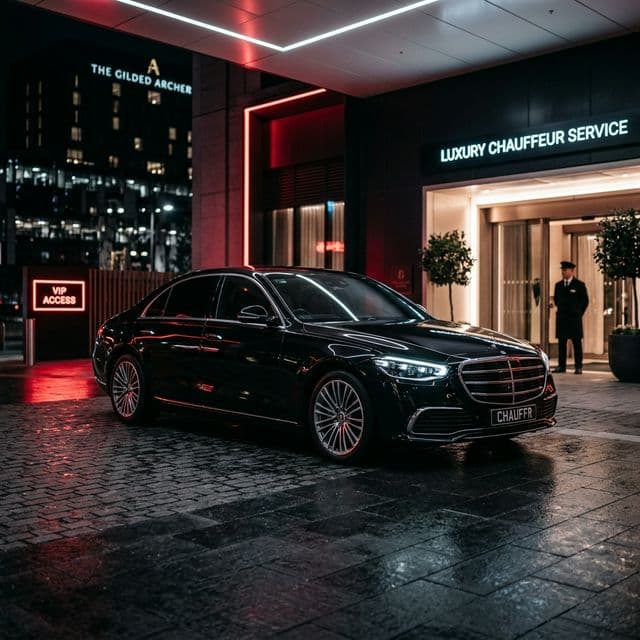
Need transportation in New York for your other World Cup matches? We provide professional car service for all FIFA World Cup 2026 matches at MetLife Stadium in New York and New Jersey. From airport transfers at JFK, Newark, and LaGuardia to hotel-to-stadium service and multi-day chauffeur packages, we handle every detail. Contact us for a quote.
Estadio Azteca — The Cathedral of Football
Located in the Coyoacan district in southern Mexico City, the Azteca is one of the largest and most historically significant stadiums in the world. Home to Club America and the Mexico national team, it has hosted thousands of matches since opening in 1966.
History & Legacy
Built in 1966 by architect Pedro Ramirez Vazquez, the same visionary behind the National Museum of Anthropology. The Azteca has witnessed two of football's greatest moments: Pele's celebration after Brazil's 1970 triumph and Maradona's "Hand of God" and "Goal of the Century" in the 1986 quarter-final against England. It has hosted over 1,000 Liga MX matches, Olympic football in 1968, Copa America fixtures, and CONCACAF Gold Cup finals. In 2026, it becomes the only venue in history to host three World Cups.
Capacity & Configuration
Official FIFA capacity of 83,264 for the 2026 tournament. The stadium has undergone a significant renovation ahead of the World Cup including new seats, improved concourses, upgraded media facilities, and modernized concessions. The bowl-shaped design creates an intense, enclosed atmosphere where sound reverberates off the steep upper tiers. Expect the loudest venue of the entire tournament.
1970 World Cup Final
On June 21, 1970, Brazil defeated Italy 4-1 in front of 107,412 spectators at the Azteca. Pele, Jairzinho, Gerson, and Carlos Alberto scored in what many consider the greatest World Cup final ever played. Carlos Alberto's fourth goal, a sweeping team move finished with a thunderous right-footed strike, remains the most celebrated goal in World Cup history. Brazil kept the Jules Rimet Trophy permanently after winning it for a third time.
1986 Quarter-Final — Maradona
On June 22, 1986, Argentina faced England in the quarter-final at the Azteca. Diego Maradona scored twice: first the infamous "Hand of God" goal, then the "Goal of the Century" — a 60-yard solo run beating five English defenders and goalkeeper Peter Shilton. Both goals occurred within four minutes of each other. Argentina went on to win the tournament, with Maradona lifting the trophy at the Azteca on June 29.
2026 FIFA Matches
Mexico City will host the Opening Match of the 2026 World Cup, along with group stage matches and potentially Round of 16 fixtures. As the ceremonial start of the tournament, the Opening Match at the Azteca will be one of the most-watched sporting events of the year. Expect maximum security, full capacity, and a global audience of over one billion viewers for this historic event.
Renovation & Upgrades
A multi-million dollar renovation has been underway since 2022 to bring the Azteca up to FIFA 2026 standards. New seating throughout the bowl, modernized concourse areas with improved food and beverage options, upgraded media and broadcast facilities, enhanced accessibility features, and a completely overhauled pitch drainage system. The exterior facade and surrounding plaza have also been redesigned to improve fan flow and security screening efficiency.
Expected Matches at Estadio Azteca
As the Opening Match host, Mexico City receives some of the most prestigious fixtures of the entire tournament. Exact dates and matchups will be confirmed by FIFA.
Opening Match
The ceremonial start of the 2026 FIFA World Cup. The host nation Mexico is expected to play in this fixture, with the Opening Ceremony preceding kickoff. This will be the most-watched single match until the Final itself. Expect a full 83,264 capacity with a heavily pro-Mexico crowd and a global television audience exceeding one billion viewers.
Group Stage Match 2
A second group stage fixture at the Azteca, likely featuring Mexico or another high-profile team drawn into Mexico City. The atmosphere will be electric regardless of the teams involved. FIFA typically schedules group matches at the Opening Match venue to maximize ticket revenue and broadcast interest during the first week of the tournament.
Group Stage Match 3
The third group stage match at the Azteca will round out the initial phase. With the expanded 48-team format, there are more group matches than ever before, and Mexico City is expected to host at least three group stage fixtures in addition to the Opening Match. Each match brings a different fan base and energy to the stadium.
Round of 32
Mexico City is expected to host at least one knockout stage match in the Round of 32. The expanded format means 32 teams advance from the group stage, creating more high-stakes matches earlier in the tournament. The Azteca atmosphere during knockout football will be absolutely deafening, especially if Mexico is still in contention.
Potential Round of 16
Depending on FIFA scheduling, the Azteca may also host a Round of 16 fixture. The venue capacity and global profile make it ideal for high-demand knockout matches. The altitude factor adds a unique tactical dimension that coaches will need to account for when preparing their squads for matches at 7,350 feet above sea level.
Opening Ceremony
The Opening Ceremony of the 2026 FIFA World Cup will take place at Estadio Azteca before the Opening Match. FIFA typically produces a 30-45 minute spectacle featuring local culture, music, and history. Expect traditional Mexican dance, mariachi, and a celebration of Mexico football heritage that will be broadcast to billions of viewers worldwide.
Getting to Estadio Azteca — Full Comparison
Allow 90 or more minutes on match days from central neighborhoods. Traffic around the Azteca on event days is among the worst in a city already famous for congestion.
| From | Method | Time | Cost | Notes |
|---|---|---|---|---|
| Polanco | Uber / DiDi | 40-60 min | $8-15 USD | Best for groups; heavy match day traffic on Periferico |
| Roma / Condesa | Uber / DiDi | 30-50 min | $6-12 USD | Shorter distance but Calzada de Tlalpan congests badly |
| Centro Historico | Metro Line 2 | 45-60 min | $0.30 USD | Take Line 2 to Tasquena, then taxi or bus to stadium |
| Coyoacan | Walk / short taxi | 15-25 min | $3-5 USD | Closest neighborhood; walkable on non-match days |
| MEX Airport | Authorized taxi | 30-45 min | $15-25 USD | Buy taxi ticket at airport booth; avoid street taxis |
| MEX Airport | Uber / DiDi | 30-45 min | $10-18 USD | Pick up from designated rideshare area outside terminals |
| Any central area | Metrobus Line 1 | 50-70 min | $0.30 USD | Runs on Insurgentes; transfer needed at Tasquena |
| Downtown | FIFA fan shuttle | 40-60 min | TBD | Expected from Zocalo and Reforma; details pending FIFA |
| San Angel | Taxi / Uber | 15-20 min | $4-8 USD | Close alternative neighborhood; avoid Periferico route |
| Santa Fe | Uber / DiDi | 45-70 min | $12-20 USD | Business district; long distance via Periferico Sur |
| Polanco | Metro Line 7 + taxi | 50-70 min | $2-5 USD | Line 7 south then transfer; budget option for solo fans |
| NLU Airport | Uber / taxi | 90-120 min | $25-40 USD | New airport far north of city; not recommended for stadium access |
Flying into Mexico City
MEX Benito Juarez International Airport is the primary gateway for World Cup visitors. Felipe Angeles (NLU) is the newer but far less convenient alternative located north of the city.
30 min to Estadio Azteca (off-peak) · 45-75 min (match day)
The primary airport for virtually all World Cup visitors. Terminal 1 handles most domestic flights and some international. Terminal 2 is the Aeromexico hub with most long-haul international arrivals. Allow 2 hours for international departures. Buy authorized taxi tickets at the booth inside arrivals — do not accept rides from solicitors in the terminal. Uber and DiDi pick up from designated areas outside.
90-120 min to Estadio Azteca · 60-90 min to city center
Not recommended for World Cup visitors unless your flight route requires it. The distance from NLU to the Azteca is substantial and traffic on the northern approach to CDMX can be severe. If you must fly into NLU, budget extra time and arrange transportation in advance. No Metro connection exists to NLU.
75-100 min to Estadio Azteca · 60-90 min to city center
Only consider Toluca if you find a significantly cheaper flight and are comfortable with the long ground transfer into CDMX. The highway between Toluca and Mexico City passes through mountains and can be foggy. A budget option for experienced Mexico travelers, but not ideal for first-time visitors during the World Cup.
Hotel Neighborhoods in Mexico City
Eight neighborhoods that offer the best base for World Cup visitors, ranging from luxury to budget. Book early — demand during the tournament will be extreme.
Polanco
Mexico City's most upscale neighborhood. Home to the Four Seasons, St. Regis, W Hotel, and JW Marriott. Fine dining at Pujol, Quintonil, and Dulce Patria. Adjacent to Chapultepec Park and the National Museum of Anthropology. Avenida Presidente Masaryk is the luxury shopping strip. 40-50 minutes to the Azteca by car. Hotels: $200-500/night.
Roma Norte
The epicenter of Mexico City's food revolution. Tree-lined streets with sidewalk cafes, mezcalerias, and boutique hotels like Hotel Carlota and Casa Goliana. Contramar for seafood, Rosetta for contemporary Mexican, and Lardo for wood-fired Italian. Excellent Metrobus connection on Insurgentes. 30-40 minutes to the Azteca. Hotels: $100-300/night.
Condesa
Adjacent to Roma with a slightly more residential, leafy atmosphere. Parque Mexico is the centerpiece with Art Deco buildings surrounding it. Craft coffee at Chiquitito Cafe, cocktails at Baltra Bar, dinner at Azul Condesa. Well-connected by Metrobus and Metro. 30-40 minutes to the stadium. Hotels: $100-280/night.
Centro Historico
The historic heart of CDMX. The Zocalo, Palacio de Bellas Artes, Templo Mayor, and Diego Rivera murals at the Palacio Nacional are all walkable. Hotels like Downtown Mexico and Circulo Mexicano offer boutique style at mid-range prices. Close to Metro Line 2 toward the stadium area. Hotels: $60-200/night.
Coyoacan
The closest major neighborhood to Estadio Azteca — walkable distance or a 10-minute taxi ride on non-match days. Home to the Frida Kahlo Museum (Casa Azul) and a charming central plaza with excellent street food. A quieter, bohemian atmosphere perfect for families. Ideal if your primary goal is stadium proximity. Hotels: $60-180/night.
San Angel
A charming colonial neighborhood south of the city center. Known for the Saturday Bazaar art market at Plaza San Jacinto, stunning colonial architecture, and excellent traditional restaurants like San Angel Inn in a former hacienda. 15-20 minutes to the Azteca by car. A quieter, more authentic alternative to Roma and Condesa. Hotels: $80-220/night.
Juarez / Reforma Corridor
The stretch along Paseo de la Reforma between the Angel of Independence and Chapultepec Park. Major hotel chains including Hilton, Marriott, and Hyatt line this boulevard. Easy access to both Polanco and Roma on foot. The Zona Rosa sub-neighborhood has nightlife and international restaurants. 35-50 minutes to the Azteca. Hotels: $120-350/night.
UNAM / Copilco Area
The university district near the National Autonomous University of Mexico campus, a UNESCO World Heritage Site. Budget-friendly with student-oriented restaurants and cafes. Very close to the Azteca — approximately 15 minutes by car. Limited upscale options but excellent for budget travelers who want proximity to the stadium. Hotels and Airbnbs: $40-120/night.
Mexico City Weather in June & July
Mild temperatures but rainy afternoons and critical altitude effects. The weather in CDMX is far more comfortable than most US host cities during summer, but the altitude and rain require serious preparation.
Temperature Range
Daytime highs of 70-75°F (21-24°C) and nighttime lows of 55-60°F (13-16°C). Temperature rarely exceeds 80°F thanks to the high altitude. Compared to Dallas, Houston, or Miami during the same period, Mexico City is genuinely comfortable. Evening matches may require a light jacket, especially if rain has passed through earlier in the afternoon.
Rainy Season
June and July are peak rainy season in CDMX. Afternoon and evening showers from 4 to 7 PM occur nearly every day, sometimes with dramatic intensity. Mornings are almost always dry and sunny. Storms typically pass in 30-60 minutes. A compact umbrella or lightweight rain jacket is absolutely essential — do not skip this. Streets can flood briefly in low-lying areas.
Altitude Effects on Fans
At 7,350 feet above sea level, the air contains roughly 20 percent less oxygen than at sea level. Visitors from coastal cities will experience shortness of breath walking uphill, faster heartbeat, headaches, and fatigue. These symptoms peak 6-12 hours after arrival and typically resolve within 48 hours. Arrive at least one to two days before your first match to acclimatize properly.
Hydration Strategy
Drink 3-4 liters of water daily starting from the moment you land. The altitude causes faster dehydration even without visible sweating. Avoid heavy alcohol consumption during your first 24 hours — altitude intensifies its effects significantly. Carry a reusable water bottle and refill it throughout the day. Coconut water and electrolyte drinks are available at most convenience stores.
UV Radiation
UV radiation at 7,350 feet is approximately 25 percent stronger than at sea level. You will sunburn faster even on cloudy days. Apply SPF 50 or higher sunscreen and reapply every two hours. Sunglasses with UV protection are essential. The morning sun in CDMX can be deceptively strong — many visitors get burned during seemingly mild midday conditions.
What to Wear
Layers are key in Mexico City. A t-shirt or light shirt for warm midday sun, a light jacket or sweater for cool evenings and potential rain, and comfortable walking shoes with good grip for cobblestone streets. Bring a compact umbrella in your bag every single day during June and July. Inside the Azteca, temperatures can feel warm with 83,000 fans generating body heat.
Where to Eat in Mexico City
One of the great food capitals of the world. From 50-cent street tacos to two restaurants on the World's 50 Best list. Mexico City's culinary scene is reason enough to visit even without the World Cup.
Tacos al Pastor
The iconic Mexico City street food: marinated pork carved from a vertical spit, topped with pineapple, cilantro, and onion on a soft corn tortilla. El Vilsito in Narvarte (a mechanic shop by day, taqueria by night) is legendary. Taqueria Orinoco in Roma Norte serves Monterrey-style tacos. El Huequito near the Zocalo has been serving al pastor since 1959. Budget: $0.50-1.50 per taco.
Fine Dining
Pujol in Polanco, led by Chef Enrique Olvera, serves a legendary mole madre that has been aging for over a decade alongside innovative contemporary Mexican dishes. Quintonil, led by Chef Jorge Vallejo, offers a tasting menu highlighting indigenous Mexican ingredients from small producers. Both rank among the World's 50 Best Restaurants. Reservations are essential — book 2-3 months ahead for World Cup dates.
Markets
Mercado de San Juan in Centro is the gourmet market with exotic meats, imported cheeses, and fresh seafood at stalls you can eat at immediately. Mercado Roma in Roma Norte is a modern food hall with craft beer and upscale street food. Mercado de Coyoacan near the stadium has traditional food and fresh juices at local prices. Mercado de la Merced is the largest market in the Americas — overwhelming but authentic.
Mole & Traditional Cuisine
Mole is Mexico City's signature sauce — complex, deep, made with dozens of ingredients including chocolate, chili, and spices. Try mole negro at Azul Historico in Centro, mole coloradito at Casa de los Azulejos in the Sanborns building, or the legendary seven moles at Restaurante Los Danzantes in Coyoacan. Cafe de Tacuba, open since 1912, serves classic Mexican dishes in a stunning colonial tile setting.
Roma Norte Restaurants
Contramar on Calle Durango serves the best seafood in the city — the tuna tostadas and grilled red-and-green snapper are legendary. Arrive by 1 PM or wait an hour. Rosetta on Calle Colima offers refined Italian-Mexican cuisine in a Roma mansion. Lardo does wood-fired dishes. Maximo Bistrot on Calle Tonala serves a daily-changing menu with market ingredients. Budget: $20-60 per person.
Mezcal & Pulque
Mezcal bars are everywhere in Roma and Condesa. Bota on Calle Motolinia in Centro has over 100 mezcals. La Clandestina in Roma Norte is a no-frills mezcaleria with curated selections. Pulqueria Los Insurgentes serves pulque, the ancient fermented agave drink. For craft cocktails, Licoreria Limantour on Avenida Alvaro Obregon is consistently ranked among the World's 50 Best Bars.
Coyoacan Street Food
The neighborhood closest to the Azteca has its own vibrant food scene. The Coyoacan market plaza serves tostadas, quesadillas, churros, and fresh fruit with chili and lime. Grab elotes — grilled corn with mayo, chili powder, lime, and cotija cheese — from street vendors near the Jardin Centenario. Tamales from morning vendors wrapped in corn husks are the perfect pre-match breakfast. Budget: $2-8 per person.
Churros & Sweet Treats
Churreria El Moro, open since 1935 near the Alameda Central, serves hot churros with four types of chocolate dipping sauce 24 hours a day. Pasteleria Ideal in Centro is a massive bakery where you grab a tray and tongs and select from hundreds of traditional Mexican pan dulce pastries. Nieve de garrafa (hand-churned ice cream) vendors are found in every park and plaza. Budget: $1-5 per person.
After the Match in Mexico City
CDMX comes alive at night with a scene that rivals any city on earth. From speakeasies to legendary dance halls, there is something for every kind of fan.
Roma Norte Bars
The undisputed nightlife capital of CDMX. Licoreria Limantour for world-class cocktails on Alvaro Obregon. La Clandestina for mezcal on Calle Alvaro Obregon. Departamento for rooftop drinks. Tokyo Music Bar for Japanese-inspired cocktails and vinyl DJs. The strip along Orizaba and Alvaro Obregon stays packed until 3 AM on weekends and will be electric during the World Cup.
Dance Halls & Clubs
Patrick Miller in Colonia San Rafael is a legendary Friday-night dance hall where locals perform synchronized freestyle dance to 80s and 90s tracks — absolutely unmissable. Mama Rumba in Roma for salsa dancing. AM Local in Condesa for electronic music. Salon Los Angeles, open since 1937, is a classic dance hall for cumbia, danzon, and salsa with a live orchestra.
Condesa Terraces
A slightly more relaxed version of Roma's scene. Baltra Bar for botanical cocktails on Calle Iztaccihuatl. Pata Negra for Spanish-style tapas and wine on Avenida Tamaulipas. The open-air terraces along Tamaulipas are perfect for warm evenings. Less chaotic than Roma on weeknights, but just as vibrant when matches draw international crowds.
Polanco Upscale
Mexico City's most refined nightlife. Jules Basement is a speakeasy hidden behind a taco restaurant on Calle Julio Verne — ring the doorbell and know the password. Area nightclub hosts international DJs and a well-dressed crowd. Hotel bars at the St. Regis and the W Mexico City offer cocktails with views over Chapultepec Park. Dress codes are enforced at most Polanco venues.
Live Music
Salon Tenampa on Plaza Garibaldi is the iconic venue for live mariachi — dozens of mariachi groups play simultaneously in the plaza. Zinco Jazz Club in a former bank vault in Centro hosts top jazz acts. Foro Indie Rocks in Roma for independent and alternative music. El Plaza Condesa for touring international artists. Mexico City's live music scene spans every genre imaginable.
Cantinas & Pulquerias
Traditional Mexican cantinas are an essential cultural experience. Cantina La Mascota in Roma Norte has been open since 1924. La Opera Bar in Centro has a bullet hole in the ceiling allegedly from Pancho Villa. Pulqueria Insurgentes serves pulque, the pre-Hispanic fermented agave drink. These establishments serve free bar snacks with every drink order — a tradition called botanas.
Coyoacan Evening
The bohemian neighborhood closest to the Azteca has a laid-back post-match scene. Centenario 107 is a classic cantina on the main plaza. Mezcal bars and pulquerias dot the cobblestone streets around Jardin Centenario. Musicians and street performers fill the plaza at night. A perfect wind-down after the intensity of an Azteca match, with food vendors serving late into the night.
Cultural Events
Between matches, CDMX offers world-class cultural entertainment. The Palacio de Bellas Artes hosts the Ballet Folklorico de Mexico — a stunning two-hour show of traditional Mexican dance. Lucha libre wrestling at Arena Mexico on Tuesday and Friday nights is wildly entertaining. The Cineteca Nacional screens art house films. Expect FIFA Fan Fests on Paseo de la Reforma with live screenings and concerts.
Beyond Mexico City — Day Trips
Ten incredible excursions for non-match days, from ancient pyramids to colonial cities and floating gardens. Mexico City's central location makes it a launching point for some of the most remarkable sites in the Americas.
Teotihuacan is the essential day trip — the Pyramid of the Sun is the third-largest pyramid on earth. Xochimilco offers colorful trajinera boats on ancient Aztec canals with mariachi bands. Puebla is a colonial UNESCO city and the birthplace of mole poblano. Taxco clings to a mountainside and is the silver-buying capital of Mexico. All are achievable as day trips from CDMX with advance planning.
Mexico City's Football Soul
Two of Mexico's biggest clubs share the Azteca. The football culture here is among the most passionate on the planet, shaped by decades of rivalry, triumph, and heartbreak.
Club America
Mexico's most successful and most polarizing club. 14 Liga MX titles, multiple CONCACAF Champions League trophies, and a nationwide following that inspires equal parts adoration and hatred. Known as "Las Aguilas" (The Eagles), they play at Estadio Azteca — the same venue hosting the World Cup. Their yellow shirts will be everywhere during the tournament. America fans are loud, organized, and present in massive numbers at every match regardless of which team is playing.
Cruz Azul
Also based at Estadio Azteca, though they have been building a new stadium. Known as "La Maquina" (The Machine), Cruz Azul's legendary 23-year drought without a league title — broken dramatically in 2021 — made them Mexico's most lovable underdogs. Their supporters are fiercely loyal and emotionally invested. The America vs Cruz Azul "Clasico Joven" is one of Mexico's biggest and most heated derbies, splitting the city in half every time it's played.
Match Day Atmosphere
Mexican football fans are among the most passionate in the world. Expect drums, trumpets, choreographed chants that shake the stadium, green smoke from El Tri supporters, and an electric atmosphere inside the Azteca that visiting fans never forget. The "ola" — the Mexican wave — was popularized globally at the 1986 World Cup held at this very stadium. Arrive at least 90 minutes early to soak in the pre-match energy around the stadium perimeter.
El Tri & The National Team
The Mexico national team, known as "El Tri," plays most home matches at the Azteca. The altitude advantage is real and well-documented — visiting teams from sea-level countries struggle with the thin air, and Mexico's qualification record at the Azteca is formidable. World Cup matches here will feature a heavily pro-Mexico crowd regardless of which teams are playing. The passion and volume of Mexican supporters creates a genuine 12th-man advantage.
Shopping in Mexico City
From luxury boutiques to artisan markets, CDMX offers exceptional shopping. Prices for handcrafted goods, leather, silver, and textiles are a fraction of what you would pay in the United States or Europe.
Avenida Presidente Masaryk (Polanco)
Mexico City's answer to Fifth Avenue or the Champs-Elysees. Louis Vuitton, Gucci, Cartier, Hermes, and dozens of international luxury brands line this tree-shaded boulevard. Also home to high-end Mexican designers like Carla Fernandez and Pineda Covalin. Window shopping is free — buying requires serious budget. The surrounding blocks have excellent restaurants for shopping breaks.
La Ciudadela Market
The best single-stop market for Mexican handicrafts and souvenirs. Located near Metro Balderas in the city center, La Ciudadela has hundreds of stalls selling handwoven textiles, Oaxacan black pottery, Talavera ceramics, Day of the Dead figurines, embroidered blouses, leather goods, and silver jewelry. Prices are negotiable — start at 60 percent of the asking price and work from there.
Silver from Taxco
Mexico produces more silver than any country on earth, and Taxco-style silver jewelry is sold throughout CDMX at prices well below international retail. Look for the 925 stamp indicating sterling quality. La Ciudadela market and shops in Coyoacan offer the best city prices. For the real experience, take the day trip to Taxco itself and buy directly from artisan workshops.
Roma Norte Boutiques
Independent bookstores, vintage clothing, Mexican designer fashion, and artisan shops line the streets of Roma Norte. Libreria Rosario Castellanos is a stunning bookstore in a converted mansion. Goodbye Folk sells curated Mexican crafts and design objects. The Saturday tianguis market on Calle Orizaba has vintage finds. This is where young Mexico City shops.
San Angel Saturday Bazaar
Every Saturday, Plaza San Jacinto in San Angel transforms into an upscale outdoor art market. Painters, sculptors, jewelers, and textile artists sell original work directly. Quality is noticeably higher than tourist markets, and prices reflect it. The surrounding colonial streets have permanent galleries and craft shops worth exploring. Combine with lunch at San Angel Inn.
Football Merchandise
Official Liga MX and national team jerseys are available at Innovasport and Marti stores throughout the city. Club America and Cruz Azul merchandise can be purchased at the Estadio Azteca club store. Street vendors outside the stadium sell unofficial but creative fan items. For authentic retro jerseys from the 1970 and 1986 World Cups, check vintage shops in Roma Norte or the Lagunilla Sunday market.
Safety & Practical Tips for Mexico City
CDMX is a megacity of 22 million people. The tourist neighborhoods are generally safe, but awareness and preparation are essential for an enjoyable World Cup experience.
Transportation Safety
Use only Uber, DiDi, or authorized taxi stands. Never hail random taxis off the street — unlicensed cabs have been linked to robberies. Share your ride status with companions via the app. Metro is safe during daytime but avoid rush hours with bags and valuables. At night, always use a rideshare app rather than walking to find a cab.
Neighborhood Awareness
Polanco, Roma, Condesa, Coyoacan, and San Angel are very safe for tourists at all hours. Centro Historico is safe by day but requires more caution after dark, especially in streets away from the Zocalo. Avoid Tepito, Doctores, and Iztapalapa neighborhoods entirely. Stay on well-lit main streets after midnight and travel in groups when possible.
Health & Altitude
Altitude sickness symptoms peak 6-12 hours after arrival and include headache, nausea, shortness of breath, and insomnia. Drink only bottled water — never from the tap. Pharmacies (farmacias) are on every block and open late, often with a doctor on staff who can consult for free. Carry Pepto-Bismol or Imodium for stomach adjustment during your first days.
Phone & Connectivity
Purchase a Telcel or AT&T Mexico SIM card at the airport or any OXXO convenience store for $10-15 USD with data. Free WiFi is available at most hotels, restaurants, and Starbucks locations. Download offline maps of Mexico City before arriving — cell service can be spotty underground in the Metro system and in some areas around the Azteca.
Cash & ATMs
Carry cash in small denominations — many street vendors, taxis, and small shops do not accept cards. Use ATMs attached to bank branches (Banorte, HSBC, Santander, Citibanamex) and avoid standalone machines. Withdraw during business hours when the branch is open. Notify your bank before traveling to Mexico to avoid card blocks.
Match Day Security
Arrive 2 or more hours early at the Azteca — security screening lines will be long. FIFA stadiums require clear bags and prohibit most backpacks. Bring a clear bag for essentials. No glass containers, no umbrellas larger than a small compact, no professional cameras. Stay hydrated inside — buy water early before concession lines build. Leave 30 minutes before final whistle to beat the exit crush.
Emergency Numbers
Mexico emergency number: 911 (same as the US). Tourist police: 55-5250-0123. Locatel (city services hotline): 56-58-11-11. US Embassy in Mexico City: 55-5080-2000, located in Colonia Cuauhtemoc. Carry a printed copy of your hotel address and emergency contacts in case your phone dies. Most tourist police officers in CDMX speak basic English.
Cultural Etiquette
Greet people with 'Buenos dias' or 'Buenas tardes' — politeness goes far in Mexico. Avoid discussing sensitive political topics. Asking permission before photographing people, especially indigenous vendors, is respectful and expected. Mexicans are extraordinarily hospitable to visitors — respond in kind. Learning even basic Spanish phrases will transform your interactions.
What Mexico City Costs
Mexico City offers exceptional value for international visitors. Your dollar goes 3-4x further here than in most US and European host cities. Here is the complete cost breakdown.
Budget tip: Stay in Coyoacan or the UNAM area for the cheapest accommodation near the Azteca. Eat street tacos and market food for some of the best food in the world at prices under $5 per meal. Mexico City is the most affordable World Cup host city in the entire 2026 tournament.
What to Pack for Mexico City
The altitude, rainy season, and cobblestone streets require specific preparation. Do not pack as if this is a typical summer destination.
Layers & Rain Gear
Pack a light jacket or sweater for evenings when temperatures drop to 55-60°F. A compact waterproof rain jacket is absolutely non-negotiable during June and July rainy season. A small foldable umbrella should be in your bag every single day. Mornings can be warm and sunny, afternoons stormy, and evenings cool — all in the same day.
Sun Protection
SPF 50 or higher sunscreen is essential at 7,350 feet altitude where UV radiation is 25 percent stronger than at sea level. UV-blocking sunglasses and a hat or cap for outdoor sightseeing. Reapply sunscreen every two hours, especially at Teotihuacan or other outdoor excursions where there is no shade. Lip balm with SPF to prevent chapped lips from dry altitude air.
Comfortable Footwear
Walking shoes with good grip and arch support for cobblestone streets in Coyoacan, Roma, and Centro Historico. Cobblestones can be slippery when wet from afternoon rain. Avoid flip-flops for city walking — you will regret it on uneven surfaces. Broken-in shoes only — do not bring new shoes that might cause blisters during long walking days between matches.
Health Essentials
Anti-diarrheal medication (Imodium) and antacid (Pepto-Bismol) for stomach adjustment. Ibuprofen or acetaminophen for altitude headaches during your first 48 hours. Electrolyte packets to add to bottled water for hydration. Hand sanitizer for street food stalls. Any prescription medications with original labels. A small first-aid kit with bandages and antiseptic.
Electronics & Adapters
Mexico uses Type A and B plugs — the same as the United States and Canada. No adapter needed for US visitors. European, UK, Australian, and Asian visitors will need a plug adapter. Bring a portable battery charger — you will be using your phone heavily for maps, translation, and rideshare apps. Download offline Google Maps of Mexico City before departure.
Documents & Copies
Passport valid for at least six months beyond your travel dates. Printed copies of hotel reservations, match tickets, and travel insurance. A printed copy of your hotel address in Spanish for taxi drivers. Travel insurance documentation. Emergency contact numbers for your embassy. Consider leaving your passport in the hotel safe and carrying a photocopy while exploring the city.
Best Photo Spots in Mexico City
CDMX is one of the most photogenic cities in the world. From ancient ruins to colorful neighborhoods, every corner offers a shot worth sharing.
Palacio de Bellas Artes
Mexico City's most beautiful building. The Art Nouveau and Art Deco marble facade glows in golden light at sunset. The interior murals by Diego Rivera, David Alfaro Siqueiros, and Jose Clemente Orozco are stunning. Best photographed from the terrace of the Sears building across the street on the top floor cafe for an elevated perspective.
Estadio Azteca Exterior
The stadium itself is a photographic icon, especially with the World Cup 2026 branding. The main entrance with the Azteca lettering and the statue of an eagle outside are the signature shots. On match days, the crowds, flags, and smoke create an incredible atmosphere for action photography. Arrive early for the best exterior shots before security lines form.
Frida Kahlo Museum (Casa Azul)
The bright cobalt-blue walls of Frida Kahlo's childhood home in Coyoacan are one of the most photographed facades in Mexico. The interior garden and studio are equally photogenic. Photography is restricted inside some rooms, but the exterior and garden are fair game. Located just minutes from the Azteca — combine with a match day visit to Coyoacan.
Angel of Independence
The golden Angel of Independence on Paseo de la Reforma is CDMX's most recognizable monument. Best photographed at golden hour when the light hits the gold-leaf angel statue. The roundabout is also where Mexico City celebrates major football victories — expect massive crowds here after any Mexico national team win during the World Cup.
Chapultepec Castle
The only royal castle in the Americas, perched atop Chapultepec Hill with panoramic views over the entire city and Paseo de la Reforma stretching into the distance. Clear mornings offer the best visibility. The castle gardens and stained glass interior are gorgeous. Entry is free on Sundays for Mexican residents, so foreign visitors may find weekdays less crowded.
Roma Norte Street Art
The streets of Roma Norte are covered in world-class murals and street art. Calle Orizaba, Calle Alvaro Obregon, and the side streets between them offer the best concentration. The Art Deco architecture provides stunning backdrops. Morning light hits the east-facing facades beautifully. Every block reveals something new — allow at least two hours to wander with a camera.
Xochimilco Trajineras
The colorful painted boats of Xochimilco, each named with a woman's name in flowers across the canopy, are one of Mexico's most iconic images. Weekend afternoons have the most boats and atmosphere. The reflections on the water and the passing mariachi boats create dynamic, vibrant compositions that capture the essence of Mexican culture.
Teotihuacan Sunrise
The Pyramid of the Sun and Pyramid of the Moon at Teotihuacan are among the most photographed ancient sites in the world. Early morning light creates dramatic shadows along the Avenue of the Dead. The view from the top of the Pyramid of the Sun is breathtaking. Go on a weekday morning to avoid crowds in your shots. Hot air balloon rides over the pyramids offer spectacular aerial perspectives.
Mexico City with Kids
CDMX is surprisingly family-friendly. Mexican culture is deeply family-oriented, and children are welcome everywhere from restaurants to stadiums.
Six Flags Mexico
Located in the south of the city near Xochimilco, Six Flags Mexico has roller coasters, water rides, and family attractions. A full day of entertainment for kids of all ages. Expect long lines on weekends. Tickets available online for discounts. Approximately 30 minutes from Coyoacan and 45 minutes from Roma Norte by car.
Chapultepec Zoo
One of the best free zoos in the world, located inside Chapultepec Park. Home to over 200 species including the iconic giant pandas (historically). Well-maintained habitats, shaded walking paths, and a children's interactive area. Combined with Chapultepec Castle and the boating lake, this is a full family day in one location.
Papalote Children's Museum
An interactive science and technology museum in Chapultepec designed specifically for children. Hands-on exhibits covering biology, physics, art, and digital technology. The IMAX dome theater shows educational films. Primarily in Spanish but the interactive nature transcends language barriers. Perfect for rainy afternoons during the June-July season.
Xochimilco Boat Ride
Children love the colorful trajinera boats on the Xochimilco canals. Vendors sell snacks, toys, and drinks boat-to-boat. Mariachi and marimba bands play from passing boats. Bring sunscreen, hats, and snacks. Each boat fits 15-20 people, making it ideal for families or groups. Weekend mornings are best for families before the party crowd arrives.
Chapultepec Castle
Kids are fascinated by the only royal castle in the Americas. The elevated position provides stunning city views. The gardens have space for children to run. The castle interiors with period furniture and murals feel like stepping into a fairy tale. Free entry for children under 13. Combine with the adjacent zoo and park for a complete family day.
Food for Kids
Mexican food is naturally kid-friendly — quesadillas, churros from El Moro, elotes (corn on the cob), fresh fruit with chili and lime from street vendors, and pan dulce from bakeries. Most restaurants welcome children warmly and many have special menus. Ice cream shops are everywhere. The central plazas in Coyoacan and San Angel have vendors selling treats all afternoon.
Getting Around Mexico City
CDMX has an extensive public transit network. Understanding your options will save you money and time navigating this sprawling metropolis of 22 million people.
Metro System (12 lines)
Mexico City's Metro is one of the busiest in the world with 12 color-coded lines, 195 stations, and over 4.5 million daily riders. A single ride costs approximately $0.30 USD regardless of distance. The Metro connects most major neighborhoods but does not run directly to the Azteca. Lines 2 and 3 are the most useful for tourists. Avoid rush hours (7-9 AM, 6-8 PM) with luggage. Clean and safe during daytime hours.
Metrobus (BRT)
The Metrobus is a bus rapid transit system running on dedicated lanes, primarily along major avenues. Line 1 on Avenida Insurgentes is the most useful for tourists, connecting Polanco, Roma, Condesa, and southern neighborhoods. Same fare as the Metro — approximately $0.30 USD. Less crowded than the Metro and above ground. Purchase a rechargeable Metrobus card at any station.
Uber & DiDi
Rideshare is the most convenient and safest transportation option for World Cup visitors. Uber and DiDi (the Chinese rideshare app that dominates Latin America) both operate extensively in CDMX. Prices are remarkably affordable — a 30-minute ride across the city typically costs $6-15 USD. Surge pricing applies on match days around the Azteca area. Always confirm your driver's identity before entering.
Ecobici Bike Share
Mexico City's Ecobici system has over 6,800 bikes at 480 stations, primarily in Roma, Condesa, Polanco, Juarez, and Centro. A one-day pass costs approximately $4 USD. Dedicated bike lanes on Paseo de la Reforma, Avenida Chapultepec, and throughout Roma and Condesa make cycling practical. Not recommended for stadium trips but excellent for exploring central neighborhoods between matches on non-match days.
A Brief History of Mexico City
From the Aztec capital of Tenochtitlan to one of the largest cities on earth, Mexico City's history is as layered as the archaeological sites beneath its streets.
Tenochtitlan (1325-1521)
Mexico City was built on the ruins of Tenochtitlan, the Aztec capital founded in 1325 on an island in Lake Texcoco. At its peak, Tenochtitlan had a population of 200,000 — larger than any European city at the time. The Templo Mayor in the Zocalo and the archaeological museum contain artifacts from this civilization. When the Spanish arrived in 1519, they described Tenochtitlan as the most beautiful city they had ever seen.
Colonial Era (1521-1821)
After the Spanish conquest led by Hernan Cortes, Mexico City was rebuilt as the capital of New Spain. The Zocalo, the Cathedral, and the Palacio Nacional were constructed on top of Aztec structures. The colonial architecture you see in Centro Historico dates from this 300-year period. Mexico City became the most important city in the Americas, a center of wealth, culture, and religious power.
Modern Capital (1821-present)
After independence in 1821, Mexico City endured revolution, foreign invasion, and rapid modernization. The Paseo de la Reforma was built in the 1860s by Emperor Maximilian I, inspired by the Champs-Elysees. The 20th century brought explosive growth from 3 million people in 1950 to over 22 million today. The 1985 earthquake killed over 10,000 people and reshaped urban planning. The city hosted the 1968 Olympics and two FIFA World Cups.
World Cup Heritage
Mexico hosted the FIFA World Cup in 1970 and 1986, both centered at Estadio Azteca. The 1970 tournament was the first broadcast in color worldwide and featured Pele's greatest triumph. The 1986 tournament was originally assigned to Colombia but relocated to Mexico after Colombia withdrew — Mexico stepped in with just three years notice and delivered a legendary tournament. In 2026, Mexico becomes the first country to host three World Cups.
Accessibility in Mexico City
Mexico City has made significant accessibility improvements in recent years, though challenges remain in this historic city with colonial infrastructure.
Estadio Azteca
The renovation for 2026 includes significant accessibility upgrades. Designated wheelchair seating areas with companion seats, accessible restrooms on every level, and improved ramp access throughout the venue. Accessible parking close to the stadium entrance will be available for vehicles with proper permits. Contact FIFA's accessibility program for advance arrangements.
Public Transit
Metro accessibility is limited — many stations lack elevators and some have only stairs. The Metrobus system is more accessible with low-floor boarding at most stations. Uber and DiDi allow you to request accessible vehicles in the app, though availability may be limited. Plan routes carefully and allow extra time. Newer Metro stations (Line 12) have full accessibility features.
Hotels & Restaurants
Major international hotels in Polanco and along Reforma meet international accessibility standards. Boutique hotels in Roma and Condesa vary widely — contact properties directly to confirm specific requirements. Many restaurants in tourist areas have ground-floor access but may lack accessible restrooms. Research accommodations thoroughly before booking.
Sidewalks & Streets
Cobblestone streets in Coyoacan, Centro Historico, and San Angel present challenges for wheelchair users and those with mobility limitations. Sidewalks are often uneven with occasional gaps. Roma and Condesa have better-maintained pedestrian infrastructure. Polanco and Reforma have the most accessible sidewalks. Consider this when choosing your base neighborhood for the tournament.
Emergency & Health Resources
Essential emergency contacts and health resources for international visitors attending World Cup matches in Mexico City.
Emergency Numbers
Mexico's nationwide emergency number is 911, the same as the United States. Tourist police can be reached at 55-5250-0123. For roadside assistance, call the Angeles Verdes (Green Angels) at 078. Ambulance services are available through 911 or by contacting the Red Cross directly at 55-5557-5757. Keep these numbers saved in your phone before arrival.
Hospitals & Clinics
Hospital Angeles Pedregal and Hospital Espanol are top private hospitals with English-speaking doctors. Hospital ABC in Santa Fe and Observatorio handles emergencies with international-standard care. Public hospitals are free but crowded and Spanish-only. Farmacias del Ahorro and Farmacias Similares are ubiquitous pharmacy chains open late with pharmacists who can provide basic medical advice for minor issues.
Travel Insurance
International visitors should absolutely carry travel health insurance for Mexico. Private hospital costs can be significant — an emergency room visit ranges from $200-1,000 USD without insurance. Policies covering medical evacuation are recommended given the altitude and distance from home. Many credit cards include travel medical coverage — verify your coverage before departure.
Altitude-Related Emergencies
If altitude sickness symptoms become severe — persistent vomiting, confusion, difficulty breathing at rest, or loss of coordination — seek immediate medical attention. Hospitals in CDMX are experienced with altitude-related conditions. Supplemental oxygen is available at pharmacies. The most effective treatment for severe altitude sickness is descent to a lower elevation, but medical facilities in CDMX can manage most cases effectively.
Essential Spanish Phrases for Mexico City
Spanish is the primary language in Mexico City. English is spoken in major hotels and tourist restaurants in Polanco and Roma, but much less common elsewhere. These phrases will transform your experience.
Greetings
'Buenos dias' (good morning), 'Buenas tardes' (good afternoon), 'Buenas noches' (good evening). 'Hola' is informal hello. 'Mucho gusto' means nice to meet you. Mexicans value politeness highly — always greet people before asking questions or making requests. 'Por favor' (please) and 'gracias' (thank you) go a very long way.
Restaurants & Food
'La cuenta, por favor' (the check, please). 'Cuanto cuesta?' (how much?). 'Una mesa para dos' (a table for two). 'Sin picante' (without spice) if you cannot handle heat. 'Otra cerveza, por favor' (another beer, please). 'Muy rico' (very delicious) — say this to your server and watch them beam. 'Propina' means tip.
Transportation
'Donde esta...?' (where is...?). 'Al estadio, por favor' (to the stadium, please). 'Cuanto cuesta a Coyoacan?' (how much to Coyoacan?). 'Puede ir mas lento' (can you go slower — useful in taxis). 'Para aqui' (stop here). 'Izquierda' (left), 'derecha' (right), 'derecho' (straight ahead).
Football Phrases
'Gol!' (goal — elongate as long as possible). 'Vamos Mexico!' (let's go Mexico). 'Que partidazo' (what a great match). 'Arbitro vendido' (the referee was bought — a universal complaint). 'Si se puede' (yes we can). 'Fuera!' (out/get out — shouted at opposing players). 'Puto' has been controversially chanted — FIFA actively penalizes this.
Hotels & Shopping
'Tiene una habitacion disponible?' (do you have a room available?). 'Donde esta el bano?' (where is the bathroom?). 'Me puede dar un descuento?' (can you give me a discount? — expected at markets). 'Solo estoy viendo' (I'm just looking). 'Aceptan tarjeta?' (do you accept cards?).
Emergencies
'Ayuda!' (help!). 'Necesito un doctor' (I need a doctor). 'Donde esta el hospital?' (where is the hospital?). 'Llame a la policia' (call the police). 'No me siento bien' (I don't feel well). 'Soy alergico a...' (I'm allergic to...). 'Me robaron' (I was robbed). Keep these phrases written down as a backup.
Nearest World Cup Venues from Mexico City
Combining multiple host cities maximizes your 2026 World Cup experience. Mexico City's central location and extensive flight connections make multi-city planning straightforward.
Guadalajara
Estadio Akron, 49,850 capacity. The heart of tequila country with birria and tortas ahogadas. Frequent direct flights from MEX or a 6-hour drive via Highway 15. Combine both Mexican cities for the ultimate World Cup experience.
Monterrey
Estadio BBVA, 53,500 capacity. Mexico's industrial powerhouse with dramatic mountain scenery and legendary carne asada. Frequent flights from MEX or a bold 9-hour drive. A distinctly different Mexico experience from CDMX.
Houston
NRG Stadium, 72,220 capacity. The nearest US host city to Mexico City. Direct flights on Aeromexico, United, and Spirit. Combine Mexico City matches with US group stage games for a cross-border World Cup experience.
Dallas
AT&T Stadium in Arlington, 80,000+ capacity with retractable roof and full AC. Direct flights from MEX on American and Aeromexico. Dallas and Mexico City share a deep cultural connection with a large Mexican-American community.
New York / New Jersey
MetLife Stadium, 82,500 capacity, hosts matches including the Final. Direct flights from MEX to JFK and Newark on Aeromexico, Delta, JetBlue, and United. We handle all NYC ground transportation for World Cup visitors.
Miami
Hard Rock Stadium, 65,326 capacity. Direct flights from MEX to MIA on Aeromexico, American, and United. Miami's Latin culture and beach scene make it a natural complement to a Mexico City World Cup trip.
Atlanta
Mercedes-Benz Stadium, 71,000 capacity. Direct flights from MEX on Aeromexico and Delta. Atlanta's vibrant food scene and Southern culture offer a completely different American experience.
Los Angeles
SoFi Stadium, 70,240 capacity. Direct flights from MEX on Aeromexico, Volaris, and United. LA has the largest Mexican community outside of Mexico itself — a natural companion city for the tournament.
Also attending matches at MetLife Stadium?
Many fans are combining Mexico City matches with games in New York and New Jersey — it is a 5-hour direct flight from MEX to JFK. We handle all NYC ground transportation: airport transfers from JFK, Newark, and LaGuardia, hotel-to-MetLife Stadium service, multi-day chauffeur packages, and group transport for fan delegations of any size. No surge pricing, even on match days. Book early — World Cup dates fill fast.
Book NYC transportation →International Visitor Guide for Mexico
Visa requirements, currency, altitude health, language, water safety, and everything else international fans need to know before traveling to Mexico City for the World Cup.
Visa & Entry Requirements
US, Canadian, EU, UK, Australian, and Japanese citizens do not need a visa for stays under 180 days. You receive a tourist card (FMM) on arrival or can complete it electronically before travel. Passport must be valid for the duration of your stay. Some nationalities require a visa — check Mexico's INM website well in advance. FIFA ticket holders from countries requiring visas should apply at least 3 months before the tournament.
Currency & Money
The Mexican peso (MXN) is the local currency. Approximately 17-18 MXN equals 1 USD. Credit cards are accepted at hotels, restaurants, and shops in tourist areas, but cash is preferred for street food, markets, taxis, and small shops. ATMs (cajeros automaticos) are plentiful — use bank-attached machines at Banorte, HSBC, or Santander for safety. Notify your bank before traveling to avoid card blocks.
Altitude Sickness (7,350 ft)
Mexico City sits at 7,350 feet above sea level where the air contains 20 percent less oxygen than at sea level. Symptoms include headache, shortness of breath, fatigue, nausea, and insomnia — peaking 6-12 hours after arrival. Arrive 1-2 days before your first match. Drink 3-4 liters of water daily. Avoid heavy alcohol and strenuous exercise on day one. Most symptoms resolve within 48 hours with rest and hydration.
Water Safety
Do not drink tap water in Mexico City under any circumstances. Bottled water is available everywhere and costs $0.50-1 USD. Restaurants use purified water and ice in tourist areas. Brush your teeth with bottled water if you have a sensitive stomach. Street food stalls with high customer turnover are generally safe — busy stalls mean fresh ingredients. Avoid raw leafy greens washed in tap water during your first days.
Language
Spanish is the primary language. English is spoken at major hotels, tourist restaurants, and in Polanco and Roma, but much less common in markets, taxis, and the neighborhoods around the Azteca. Basic Spanish phrases go a long way — 'Cuanto cuesta?' (how much?), 'Donde esta?' (where is?), 'La cuenta, por favor' (the check, please). Google Translate works well offline — download the Spanish language pack before arriving.
Health & Vaccinations
No vaccinations are required for travel to Mexico from most countries. However, the CDC recommends being up to date on routine vaccinations including Hepatitis A and Typhoid for travelers who may eat street food. Bring any prescription medications in their original labeled containers. Private hospitals in Mexico City provide excellent care — Hospital ABC and Hospital Angeles are among the best in Latin America.
Tipping Culture
Tip 10-15 percent at sit-down restaurants — check if propina (service charge) is already included on your bill. Tip 10-20 pesos for hotel bag handlers and 5-10 percent for taxi drivers on longer rides. Gas station attendants and grocery store baggers rely on tips of 5-10 MXN. Tipping is not expected at street food stalls but is always appreciated. Tip in pesos, not dollars.
Time Zone & Hours
Mexico City is in the Central Time Zone (UTC-6), the same as Dallas, Houston, and Chicago. That is 1 hour behind New York, 6 hours behind London, and 7 hours behind Paris. Most restaurants open late — dinner starts at 8-9 PM. Shops typically open 10 AM to 8 PM. Markets open earlier, around 7-8 AM. The Azteca neighborhood is quieter at night — most nightlife is in Roma, Condesa, and Polanco.
Mexico City World Cup 2026 — Frequently Asked Questions
When is the Opening Match at Estadio Azteca?
The Opening Match of the 2026 FIFA World Cup is scheduled for June 11, 2026 at Estadio Azteca in Mexico City. The Opening Ceremony will precede kickoff. Exact time will be confirmed by FIFA.
Is altitude sickness a real concern?
Yes. At 7,350 feet, Mexico City's altitude causes headaches, shortness of breath, fatigue, and nausea in visitors from sea-level cities. Symptoms peak 6-12 hours after arrival and typically resolve within 48 hours. Arrive 1-2 days early, drink 3-4 liters of water daily, and avoid heavy alcohol on your first day.
Can I drink the tap water?
No. Do not drink tap water in Mexico City. Bottled water is available everywhere for $0.50-1 USD. Restaurants in tourist areas use purified water and ice. Brush your teeth with bottled water if you have a sensitive stomach.
Do I need a visa?
US, Canadian, EU, UK, Australian, and Japanese citizens do not need a visa for stays under 180 days. You will receive a tourist card (FMM) on arrival or can complete it electronically. Some nationalities require a visa — check Mexico's INM website well in advance.
How do I get from MEX airport to the stadium?
Buy an authorized taxi ticket at the booth inside the arrivals hall — approximately $15-25 USD to the Azteca area. Uber and DiDi pick up from designated zones outside terminals. The trip takes 30-45 minutes off-peak and up to 75 minutes on match days.
Is Mexico City safe for tourists?
The tourist neighborhoods — Polanco, Roma, Condesa, Coyoacan, and San Angel — are generally safe. Use Uber or DiDi instead of street taxis. Avoid neighborhoods like Tepito and Doctores. Stay on well-lit streets after midnight. Standard big-city awareness applies.
What is the best neighborhood to stay in?
Roma Norte for food and nightlife. Polanco for luxury. Coyoacan for stadium proximity. Condesa for a leafy, relaxed atmosphere. Centro Historico for history and budget options. Your choice depends on your priorities and budget.
How much does a typical day cost?
Budget travelers can manage on $50-80 per day including hostel, street food, and Metro. Mid-range visitors should budget $150-300 per day for a hotel, Uber, and sit-down restaurants. Luxury visitors will spend $400-800+ per day in Polanco with fine dining.
What is the weather like in June and July?
Mild temperatures (70-75°F daytime, 55-60°F evening) with daily afternoon rainstorms from 4-7 PM. Mornings are sunny. A rain jacket is essential. The altitude makes it cooler than you would expect for a city this far south.
Should I exchange money at the airport?
Airport exchange rates are slightly worse than city rates but acceptable for a small initial amount. For the best rates, use ATMs attached to bank branches (Banorte, HSBC, Santander) in the city. Notify your bank before traveling. Carry small bills for street vendors.
What food should I try?
Tacos al pastor (marinated pork from a vertical spit), mole (complex sauce with chocolate and chili), tamales, elotes (grilled corn), churros at El Moro, and a tasting menu at Pujol or Quintonil if your budget allows. Do not skip street food — it is some of the best food in the world.
Is Uber reliable in Mexico City?
Yes. Uber and DiDi are widely used and very affordable. A 30-minute ride costs $6-15 USD. Surge pricing applies around the Azteca on match days. Always verify your driver's name and license plate. Both apps work in Spanish and English.
Can I visit Teotihuacan on a match day?
Possible for morning matches only. Teotihuacan opens at 9 AM and the drive is 1 hour each way. For afternoon or evening matches, visit Teotihuacan on a non-match day to avoid time pressure. Guided tours depart from major hotels starting at 6 AM.
Do people speak English in Mexico City?
English is spoken at major hotels, tourist restaurants in Polanco and Roma, and by younger Mexicans in professional settings. It is much less common in markets, taxis, street food stalls, and the Azteca neighborhood. Basic Spanish phrases significantly improve your experience.
How far is the stadium from downtown?
Estadio Azteca is approximately 13 km (8 miles) south of the Zocalo in Centro Historico. The drive takes 30-50 minutes off-peak and 60-90+ minutes on match days depending on traffic and your route.
What is the capacity of Estadio Azteca?
The official FIFA capacity for 2026 is 83,264. The stadium has been renovated with new seats, improved concourses, and upgraded facilities. It is the second-largest World Cup venue after MetLife Stadium.
Are there other World Cup cities I can visit from Mexico City?
Yes. Guadalajara is a 1-hour flight. Monterrey is 1.5 hours. Houston is 3.5 hours. Dallas is 3 hours. All are easily combined with Mexico City for a multi-city World Cup experience.
What is the tipping custom in Mexico?
Tip 10-15 percent at sit-down restaurants. 10-20 pesos for bag handlers. 5-10 percent for taxi drivers on longer rides. Tip in pesos, not dollars. Check if propina is already included on your restaurant bill.
Is Mexico City kid-friendly?
Absolutely. Mexican culture is deeply family-oriented. Children are welcome at restaurants, parks, and events. Chapultepec Park (zoo, castle, children's museum), Xochimilco boat rides, and Six Flags Mexico are excellent family activities. Street food like churros and elotes is naturally kid-friendly.
How do I get from Mexico City to New York for more matches?
Direct flights from MEX to JFK and Newark run approximately 5 hours. Aeromexico, Delta, JetBlue, and United operate multiple daily departures. We provide all ground transportation in NYC — airport transfers, hotel pickups, and match day service to MetLife Stadium.
Planning your World Cup trip?
We provide professional car service for all FIFA World Cup 2026 matches at MetLife Stadium in New York and New Jersey. Airport transfers, match day transport, multi-city packages, and group bookings for fan delegations of any size. Whether you are flying from Mexico City to JFK or need ground transportation across the NYC metropolitan area, we handle every detail.
info@chauffeurservice.nyc